

Dive into a collection of articles that amplify neurodivergent voices, support a more thorough understanding of neurodiversity, and challenge common misconceptions.
Month
- September 2026
- August 2026
- July 2026
- June 2026
- May 2026
- April 2026
- March 2026
- February 2026
- January 2026
- December 2025
- November 2025
- October 2025
- September 2025
- August 2025
- July 2025
- June 2025
- May 2025
- April 2025
- March 2025
- February 2025
- January 2025
- December 2024
- November 2024
- October 2024
- September 2024
- August 2024
- July 2024
- June 2024
- May 2024
- April 2024
- March 2024
- February 2024
- January 2024
- December 2023
- November 2023
- October 2023
- September 2023
- August 2023
- July 2023
- June 2023
- May 2023
- April 2023
- March 2023
- February 2023
- January 2023
- December 2022
Author
- Abigail Appleby
- Abs S. Ashley
- Adam Fare
- Aimee Fletcher
- Aisling Sheehy
- Andreia Costa
- Ann Memmott
- Antonia Aluko
- Beccy Floyd
- Bethan Warner
- Beverley Samways
- Brendan Maguire
- Callum Stephen Howes
- Cassandra Lovelock
- Charli Clement
- Chloe Webster-Harris
- Claire
- Cos Michael
- Darren O'Reilly
- Dr Catherine Crompton
- Dr Virginia Carter Leno
- El Dewar
- Elise Guthrie Stirling
- Emily Wooden
- Emily Katy
- Emily Lees
- Emma
- Emma Nielson
- Grace Lee
- Harriet Axbey
- Hat Porter
- Helen Edgar
- Iqra Babar
- Jill Corbyn
- Kai Schweizer
- Katrine Callander
- Kay Louise Aldred
- Krysia Waldock
- Kyra Thompson
- Lizzie Smith
- Lou Chandler
- Lucy Gilbert
- Meena Kumari
- Molly Anderton
- Molly Siobhan Parker
- Nick Ransom
- Peg Digitalis
- Reesha Zahir
- Remie Colledge
- Rhiannon Williams
- Rod Landman
- Rose Matthews
- Sarah Douglas
- Sarah Boon
- Sascha Bellamy
- Sophie Broadgate
- Stop Oxevision
- Tania Robinson
- Thomas Barnett
- Tina
- Trauma Geek
- Victoria Denham
- Warda Farah
- Zoe Collier
- Zoë Austin

The proposed SEND reform: to what extent does it make for a neuroaffirming school environment?
We are joined by Neurodiverse Connection Associate Lucy Gilbert, who explores the Government’s proposed SEND reforms and what they could mean for Neurodivergent young people. In this blog they consider the gap between the ambitions of reform and the reality of creating genuinely neuroaffirming, inclusive school environments.

This Is My Place: Finding Belonging in Schools, Homes and Communities
For many Neurodivergent children, belonging can feel confusing, distant, or out of reach long before they have the words to explain why. Emma explores how early experiences of difference and exclusion shape a child’s sense of self — and why understanding, acceptance, and the right support can help them grow up feeling secure in who they are.

This is my place: supporting Autistic children’s wellbeing in neuro-affirming ways
During Children’s Mental Health Week, “This Is My Place” invites us to rethink how we support Autistic children. Helen Edgar explores how creating safe, Neurodivergent-affirming spaces—where children’s sensory needs, communication, and interests are respected—helps them feel they truly belong and thrive.

From belonging to overwhelm: the daily reality of shifting spaces
Guest contributor, Remie Colledge, is optimistic that parts of society are showing glimmers of becoming more Neurodivergent-affirming… And yet, intolerance and discrimination still plagues marginalised communities.
In this blog, Remie explores what it is like to exist in a world where Neurodivergent people are both accepted and welcomed AND invalidated and excluded.
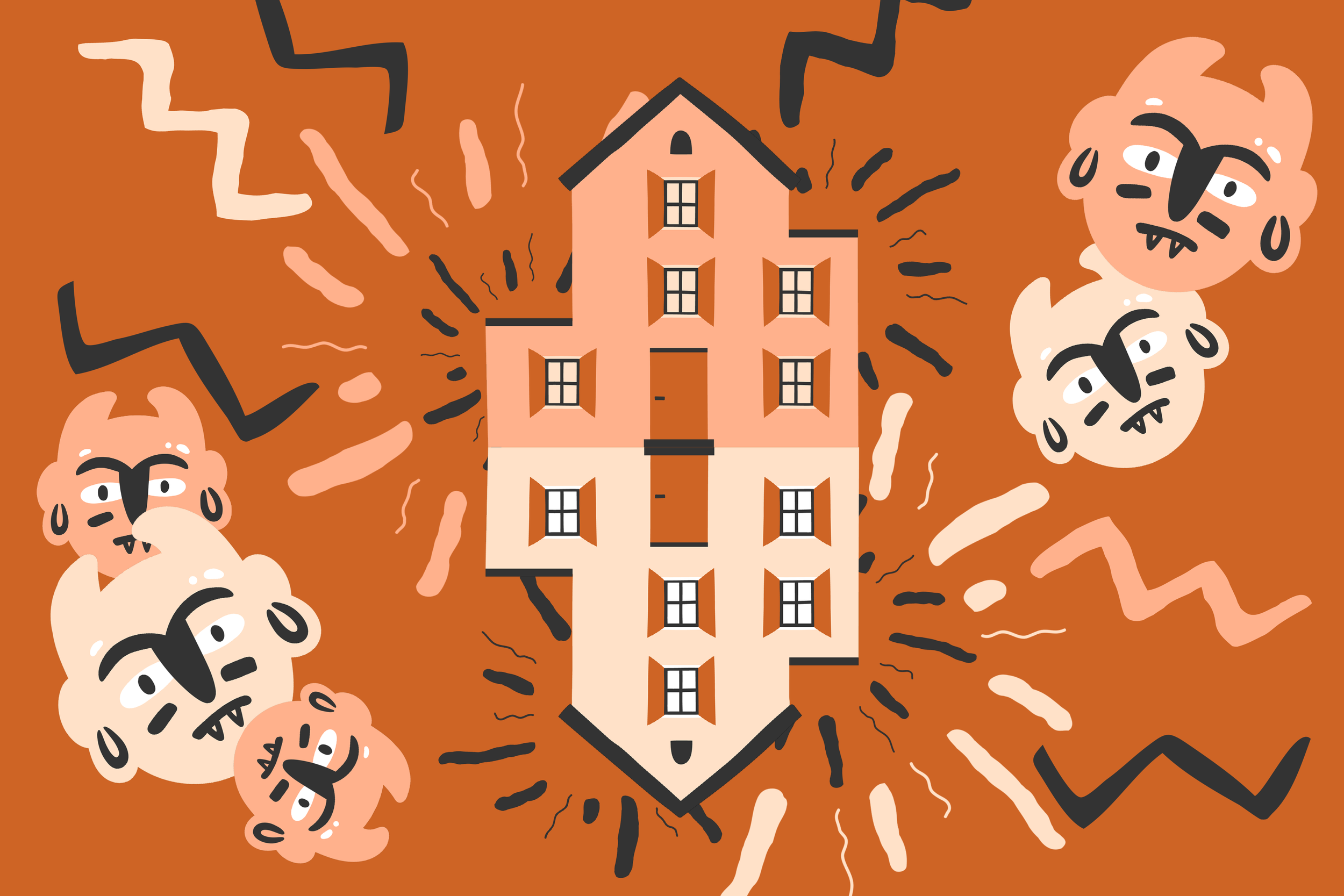
Is my environment making me sick?
As I write this I sit in my ground floor in Deptford, London. I grew up in this area and every street, crevice and cobbled alleys holds pieces of hazy memories from my youth. You see I was made in Deptford and now I feel as if the place that defined who I am is dying piece by piece, with each new edgy coffee shop and hairdresser my old stomping ground ceases to be.

Can school ever be right for autistic people?
In the current ‘industrial’ educational paradigm, schools aren’t accessible for autistic people. They both contribute to and cause trauma for autistic individuals. With reasonable adjustment and an embodiment focus, steps can be made to begin to change this. However, a wholesale reform of the educational system, is what is actually needed.
- ABA
- abuse
- accessible
- ADHD
- adults
- advocacy
- affirming
- aging
- anxiety
- assessment
- autism
- autistic parents
- behaviour
- black autistic
- building design
- burnout
- childhood
- children
- co production
- coercive control
- communication
- community
- culture
- culture of care
- depression
- Designing Homes for Sensory Differences Summit 2024
- diagnosis
- disability
- dyslexia
- eating disorders
- education
- empathy
- employment
- environment
- ethics
- executive functioning
- family
- GCC Summit 2023
- gender
- government
- grooming
- guidance
- health
- healthcare
- holiday
- housing
- human rights
- identity
- inclusion
- inpatient
- intersectionality
- joy
- language
- late diagnosed
- learning disability
- LGBTQIA+
- lived experience
- masking
- medicalisation
- mental health
- monotropism
- nervous system
- newly diagnosed
- NHS
- OCD
- online
- pain
- parents
- PBS
- peer support
- play
- psychiatric care
- quality of life
- race
- racism
- reasonable adjustments
- relationships
- research
- resources
- routine
- school
- self diagnosis
- self regulation
- sensory environment
- sensory overwhelm
- sensory processing
- services
- sexism
- special interests
- stimming
- stress
- suicide
- support
- therapy
- training
- trauma
- trauma-informed
- women
- workplace
- young people
Got something to say?
We commission blogs from neurodivergent writers. We are particularly keen to hear from people of colour, older people, and non-speaking members of our community. Help us in our mission to amplify the views and voices that are most often left unseen and unheard.
