

Dive into a collection of articles that amplify neurodivergent voices, support a more thorough understanding of neurodiversity, and challenge common misconceptions.
Month
- September 2026
- August 2026
- July 2026
- June 2026
- May 2026
- April 2026
- March 2026
- February 2026
- January 2026
- December 2025
- November 2025
- October 2025
- September 2025
- August 2025
- July 2025
- June 2025
- May 2025
- April 2025
- March 2025
- February 2025
- January 2025
- December 2024
- November 2024
- October 2024
- September 2024
- August 2024
- July 2024
- June 2024
- May 2024
- April 2024
- March 2024
- February 2024
- January 2024
- December 2023
- November 2023
- October 2023
- September 2023
- August 2023
- July 2023
- June 2023
- May 2023
- April 2023
- March 2023
- February 2023
- January 2023
- December 2022
Author
- Abigail Appleby
- Abs S. Ashley
- Adam Fare
- Aimee Fletcher
- Aisling Sheehy
- Andreia Costa
- Ann Memmott
- Antonia Aluko
- Beccy Floyd
- Bethan Warner
- Beverley Samways
- Brendan Maguire
- Callum Stephen Howes
- Cassandra Lovelock
- Charli Clement
- Chloe Webster-Harris
- Claire
- Cos Michael
- Darren O'Reilly
- Dr Catherine Crompton
- Dr Virginia Carter Leno
- El Dewar
- Elise Guthrie Stirling
- Emily Wooden
- Emily Katy
- Emily Lees
- Emma
- Emma Nielson
- Grace Lee
- Harriet Axbey
- Hat Porter
- Helen Edgar
- Iqra Babar
- Jill Corbyn
- Kai Schweizer
- Katrine Callander
- Kay Louise Aldred
- Krysia Waldock
- Kyra Thompson
- Lizzie Smith
- Lou Chandler
- Lucy Gilbert
- Meena Kumari
- Molly Anderton
- Molly Siobhan Parker
- Nick Ransom
- Peg Digitalis
- Reesha Zahir
- Remie Colledge
- Rhiannon Williams
- Rod Landman
- Rose Matthews
- Sarah Douglas
- Sarah Boon
- Sascha Bellamy
- Sophie Broadgate
- Stop Oxevision
- Tania Robinson
- Thomas Barnett
- Tina
- Trauma Geek
- Victoria Denham
- Warda Farah
- Zoe Collier
- Zoë Austin

Autism, ADHD, Women, Language and Education — What’s New in September
In this research roundup, Ann Memmott brings together recent research and resources exploring topics such as women’s lived experiences of ADHD, menstruation, menopause, quality of life, Autistic communication, health inequalities, and inclusive education.
Autism, ADHD, Neurodivergence, Diagnosis and Support — What’s New in August
In this research roundup, Ann Memmott brings together recent August papers exploring Autism, ADHD and Neurodivergence. The studies examine diagnosis and underdiagnosis, self-identification, quality of life, sensory needs, accessibility, the experiences of underrepresented groups, and ethical questions around support and interventions—highlighting the importance of listening to Neurodivergent people, respecting their autonomy, and creating environments where they can participate and thrive.
Autism, ADHD, Neurodiversity, Health and Ethical Research — What’s New in June
This month's research roundup from Ann Memmott highlights a diverse collection of new studies exploring Neurodivergence across the lifespan. Topics include Autism and screen use, ethical approaches to involving young people in research, Neurodivergent experiences in legal education, ADHD and menstrual health, anxiety in older Autistic adults, dyspraxia, animal-assisted therapy, and ongoing questions around ADHD identification and diagnosis.
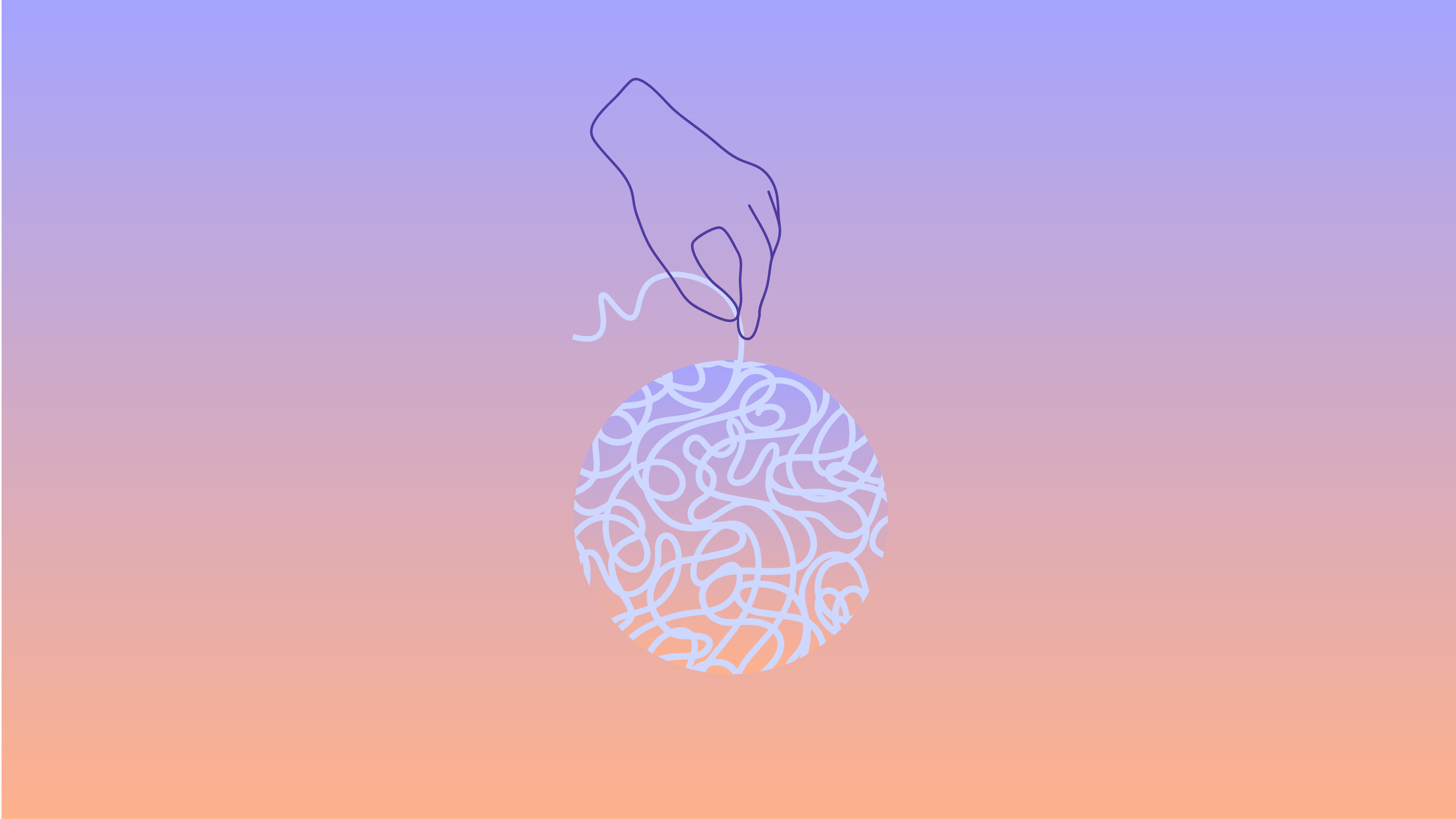
Untangling Autism & Chronic Illness
NdC Associate Charli Clement shares their experience of Autism and chronic illness. Chalri is the creator and facilitator of our new course, Untangling Autism & Chronic Illness, running from 14th January 2025.

4Q4: Autism and Ageing project (MICRA)
Team members from a MICRA-funded research project on autism and ageing answer four key questions from NdC Founder & Director, Jill Corbyn. MICRA is the Manchester Institute for Collaborative Research on Ageing (University of Manchester).

To disclose, or not to disclose?
Warda Farah examines four key aspects of a difficult question faced by many Neurodivergent individuals: whether or not to disclose their diagnoses at their place of work.

Autism Research—What’s New in December 2023?
This research roundup picks out some of the current big debates on autistic lives, and showcases new and important research from teams and academics working within the field.
Monotropism and The Monotropism Questionnaire
The theory of monotropism was developed by Dr Dinah Murray, Dr Wenn Lawson and Mike Lesser (2005) in their article, Attention, monotropism and the diagnostic criteria for autism.
Monotropic people focus more attention and energy resources on a more limited number of channels of interest than non-monotropic (polytropic) people, who may be able to attend to a broader range of channels and find it easier to switch between channels of interest and tasks.

Autism Research—What’s New in April 2023?
This research roundup picks out some of the current papers on autistic lives. This particular group has some important focus on autistic adults and their quality of life, and on intersectionality & healthcare outcomes. There is also interesting research news on diagnosis for children.
- ABA
- abuse
- accessible
- ADHD
- adults
- advocacy
- affirming
- aging
- anxiety
- assessment
- autism
- autistic parents
- behaviour
- black autistic
- building design
- burnout
- childhood
- children
- co production
- coercive control
- communication
- community
- culture
- culture of care
- depression
- Designing Homes for Sensory Differences Summit 2024
- diagnosis
- disability
- dyslexia
- eating disorders
- education
- empathy
- employment
- environment
- ethics
- executive functioning
- family
- GCC Summit 2023
- gender
- government
- grooming
- guidance
- health
- healthcare
- holiday
- housing
- human rights
- identity
- inclusion
- inpatient
- intersectionality
- joy
- language
- late diagnosed
- learning disability
- LGBTQIA+
- lived experience
- masking
- medicalisation
- mental health
- monotropism
- nervous system
- newly diagnosed
- NHS
- OCD
- online
- pain
- parents
- PBS
- peer support
- play
- psychiatric care
- quality of life
- race
- racism
- reasonable adjustments
- relationships
- research
- resources
- routine
- school
- self diagnosis
- self regulation
- sensory environment
- sensory overwhelm
- sensory processing
- services
- sexism
- special interests
- stimming
- stress
- suicide
- support
- therapy
- training
- trauma
- trauma-informed
- women
- workplace
- young people
Got something to say?
We commission blogs from neurodivergent writers. We are particularly keen to hear from people of colour, older people, and non-speaking members of our community. Help us in our mission to amplify the views and voices that are most often left unseen and unheard.
