 Image 1 of 1
Introduction
What is Autistic burnout?
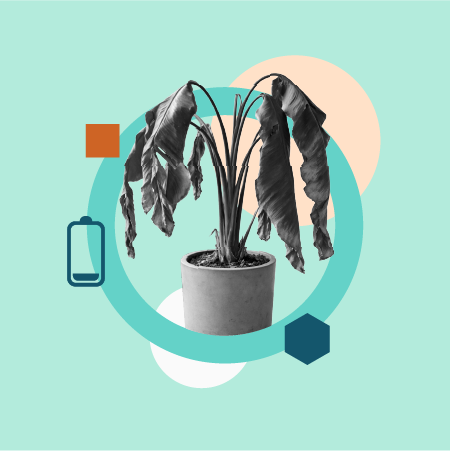
Autistic burnout is a state of physical, mental and emotional exhaustion that arises from prolonged exposure to overwhelming sensory, social and information-processing demands. For Neurodivergent individuals, this burden can be exacerbated by the need to mask their behaviours in a neurotypical world.
Burnout can develop either quickly or gradually, depending on the level of external or internal pressure and the unrealistic expectations placed on the Autistic individual. Major life changes, experiences and milestones can also trigger burnout. When the pressure surpasses their capacity to cope, burnout is likely to occur. This state is more severe than regular stress or tiredness, as it can lead to a significant loss of everyday functioning, making daily tasks feel impossible.
Understanding, compassion and support are essential for individuals experiencing burnout to aid in their recovery and ensure long-term well-being. However, the recovery timeline can vary and may be prolonged by dismissals of burnout, lack of support and an inability to take breaks.
Understanding Autistic burnout
Autistic burnout can occur at any age and manifest in many ways, depending on it’s severity and duration.
Short-term burnout
This is often seen as meltdowns that occur after school or work. Throughout the day, a buildup of survival energy can lead to a release of emotions in a safe environment
Chronic burnout
This refers to a long-term state of exhaustion where everyday tasks – such as independent living, school or work and self-care – become overwhelming. Without proper support, chronic burnout can lead to significant mental health difficulties and, in the most extreme cases, prolonged shutdown and catatonia.
Contributory factors to burnout
Behaviourist approaches in education and behavioural interventions in health and social care, such as Positive Behaviour Support (PBS), often frame Neurodivergent traits as deficits or disorders, adhering to the medical model of disability. This is in stark contrast to the social model of disability and the Neurodiversity Paradigm, which view these traits as valid differences and a natural part of human diversity. These methods frequently encourage individuals to correct their behaviour, comply, suppress stimming and mask to meet external expectations, which can ultimately lead to burnout.
Recognising the signs of Autistic burnout
Fatigue
Extreme exhaustion, both physically and mentally.
Sensory sensitivity
Heightened sensitivity to sensory stimuli, such as lights, noise and textures.
Social difficulties
Social withdrawal and difficulties with communication.
Executive dysfunction
Challenges in managing daily routines, school or work.
Self-regulation issues
Difficulty with self-regulation, leading to frequent shutdowns, meltdowns and increased stimming.
Sleep and appetite changes
Changes in eating and sleeping patterns, along with emotional regulation issues.
Regression
Loss of previously acquired skills, including memory loss, self-care difficulties, lack of motivation, and speech loss.
Supporting recovery
Burnout cannot simply be ‘pushed through’. Attempting to do so may extend or worsen the burnout. Recovery needs intentional strategies that prioritise rest, flexibility and sensory regulation.
Adopt a low-demand approach
Reduce academic, work and household expectations and allow extra time for decompression and recovery. Prioritise autonomy and rest, over performance.
Understand monotropism
Many Autistic individuals hyperfocus on specific and special interests to self-regulate. Encourage engagement with these passions as a means of recovery. Avoid sudden transitions: plan them carefully.
LEARN MORE IN OUR MONOTROPISM RESOURCE
Meet sensory and emotional needs
Increase opportunities for sensory soothing, stimulation and decompression alongside providing access to self-regulating activities like stim tools, movement or deep-pressure input from things like weighted blankets. Respond to distress with calm and co-regulation rather than behaviour compliance and plans.
LEARN MORE IN OUR REGULATION RESOURCE
Addressing myths
“They seem fine at school or work”
Many Autistic individuals mask their distress, only to release it in a safe environment.
“They should just push through”
This approach leads to deeper burnout and more significant long-term effects.
“Burnout is just stress”
Autistic burnout is a neurological bodymind crisis requiring tailored neurodiversity-affirming support, not conventional stress management techniques.
The four-stage recovery process
According to psychologist Dr Naomi Fisher, Autistic burnout recovery involves four distinct stages:
STAGE 1: Breakdown
Signs
Complete withdrawal, extreme distress and/or aggression, loss of enjoyment in activities, suicidal thoughts and fear capacity and previous skills will not return.
Support strategies
Remove all pressure, listen without judgment, provide comfort and reassurance that things will get better, ensure safety and practical support is in place. This can take a while but will take longer if pressure or demand is introduced.
STAGE 2: Repair
Signs
Gradual re-engagement with safe, low-pressure activities previously enjoyed, such as art, games, TV programmes or music. There may be feelings of sadness and a need for sameness.
Support strategies
Hold space without pushing, respect limits and foster reassurance, connection and coregulation without expectation.
STAGE 3: Learning from the experience
Signs
Increased self-awareness, reflections and storytelling on what led to burnout, and processing past stress, which may include anger.
Support strategies
Empathise and reassure, listen without correcting and validate emotions while exploring healthier strategies to navigate stressors.
STAGE 4: Planning for the future
Signs
Rebuilding a sense of self, exploring new interests or future visions which can include feelings of joy and sadness at the same time, and making adjustments to prevent future burnout.
Support strategies
Encourage alternative learning or work pathways, support questioning of societal norms, and resist pressure to “catch up’ or overcompensate.
Next steps for home and workplaces
At home, it is advisable to reduce overall household, academic and administrative demands by setting up low arousal routines. Collaborate with schools, work line managers and HR to provide reasonable accommodations and adjust expectations and workloads. In addition, cease externally focused behavioural approaches and interventions. If needed, seek neurodiversity-affirming medical and mental health support. It can be helpful to connect with Neurodivergent communities for guidance and solidarity.
With understanding, flexibility, and time, Autistic individuals can recover and thrive. Burnout is not a permanent state – it is a signal that change and support are urgently needed. By fostering an affirming environment, we empower Autistic individuals to thrive and to live authentic and sustainable lives.
Neurodivergent Wellbeing Approach
Want to learn more?
Our Neurodivergent Wellbeing Approach online training course explores this topic in more detail across eight chapters.
This course is a holistic, Neurodivergent-friendly wellbeing curriculum that offers a reflective space, education, and practical strategies for Neurodivergent individuals, their family members, friends, caregivers, and professionals who support them.