COMMISSIONED WORK
Lived experience-led review
for Avon and Wiltshire Partnership NHS Trust
We were commissioned by Avon and Wiltshire Partnership NHS Trust (AWP) to identify practical actions to improve equity, trust and access within services.
We facilitated peer-led conversations, creative workshops and reflective storytelling to invite participants to speak openly about their experiences of care. We spoke with two groups: people from communities who are seldom asked in traditional engagement processes, and people placed in out-of-area inpatient settings.
Our findings were shared in a report, accompanied by an accessible summary and a video animation.
CLIENT
Avon & Wiltshire Partnership NHS Trust
DURATION
March 2025–January 2026
AREAS OF EXPERTISE
Co-production, lived-experience, services review, PCREF, out-of-area review, thematic analysis
The challenge
This review was commissioned to better understand the experiences both of seldom-asked communities and people in out-of-area inpatient settings, with the aim of identifying practical actions to improve equity, trust and access within services.
This work supported the Trust’s commitments under PCREF and its ambition to reduce out-of-area placements by centring lived experience. By generating deeper insight into barriers, trust, access and unmet need, the review sought to provide stronger foundation for equitable service improvement and more preventative models of care.
-
AWP shared a list of communities that are least heard in their services, and asked for our support to reach out and engage with:
People from ethnically and culturally diverse groups.
Disabled people, including people with a learning disability
Neurodivergent people including Autistic people
People who identify as LGBTQ+
People with mental health problems and co-existing physical health conditions
People with mental health problems who may be in contact with the criminal justice system
Trauma survivors and people subject to violence against women and girls
People who at greater risk due to socio-economic factors such as poverty, poor housing, unemployment, substance misuse, etc.

What we did
Over several months, we facilitated peer-led conversations, creative workshops, questionnaires and reflective storytelling sessions, in which people were invited to speak openly about their experiences of care — what helped, what didn’t, and what was missing altogether.
We worked alongside people from racialised, Neurodivergent, disabled and other seldom-asked communities across the Avon and Wiltshire footprint, as well as people placed in out-of-area inpatient settings.
⏺ AWP in numbers
Total
participants
Seldom-asked group participants
Workshop
sessions
Out-of-area participants
-
Two workshop frameworks were developed to meet different accessibility needs:
Framework A:
Co-designed with a learning-disabled consultant specifically for groups requiring additional support with information processing or learning differences.
Framework B:
Provided a flexible framework that could be adapted with community leaders before each session to reflect the group’s specific needs and context.
Each of the workshops consisted of two sections:
Timelines
The first section focused on setting group expectations, building familiarity, and inviting participants to reflect on their experiences of accessing mental health support and the barriers they encountered. This was often done through a ‘timeline exercise’, where participants mapped their journey of seeking support – what it was like before, during, and after engagement with mental health services.
Creative expression
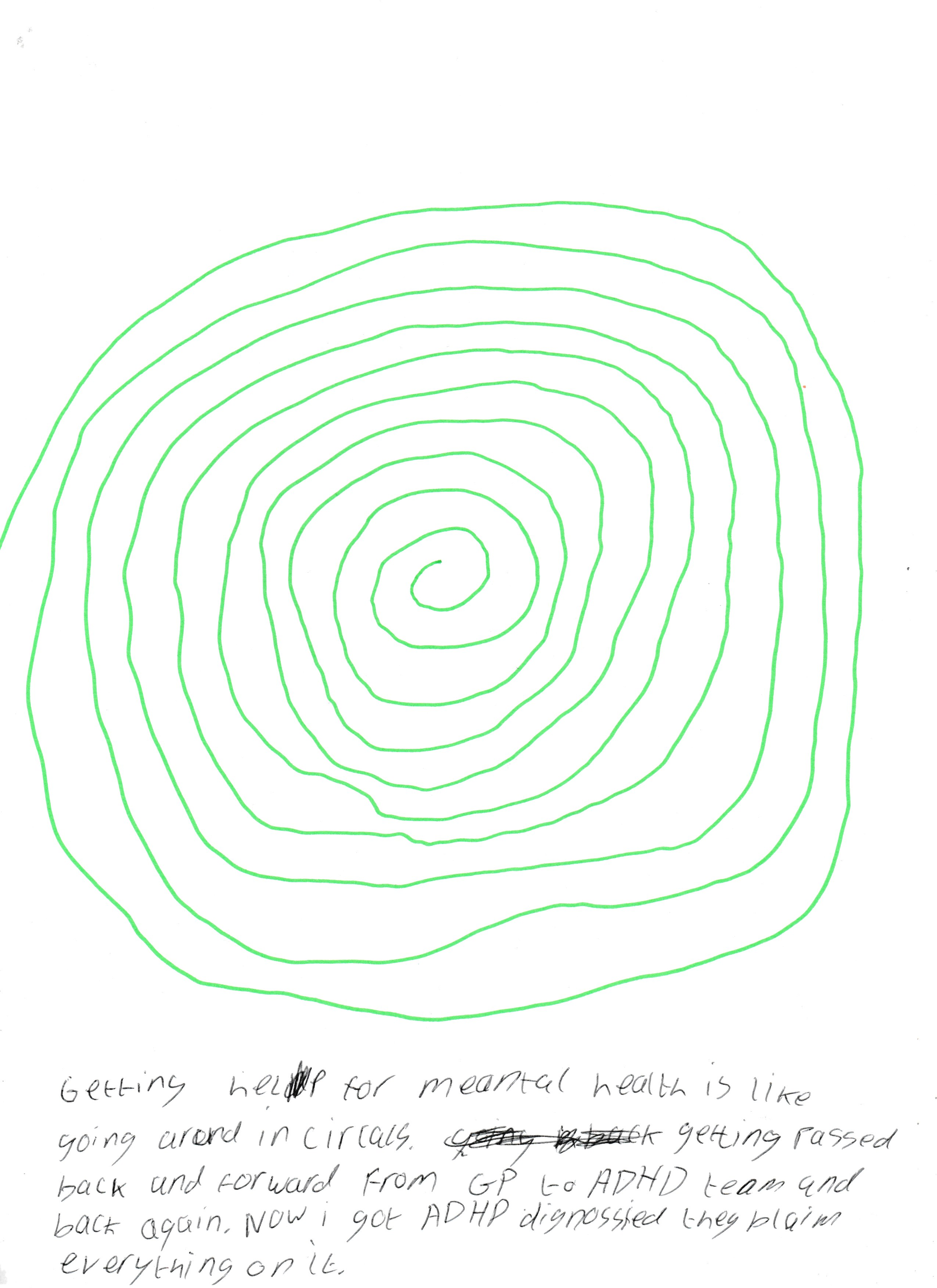
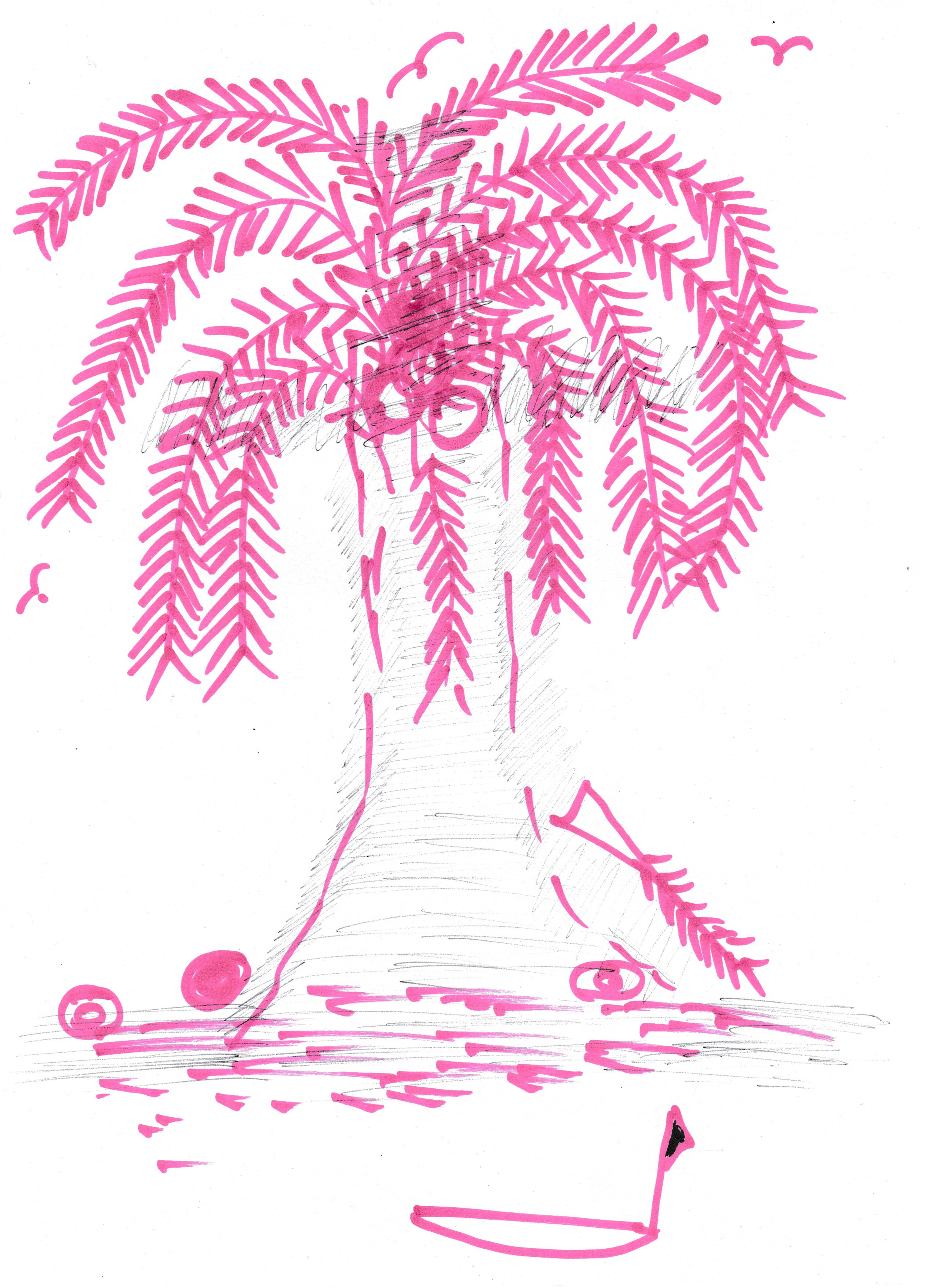
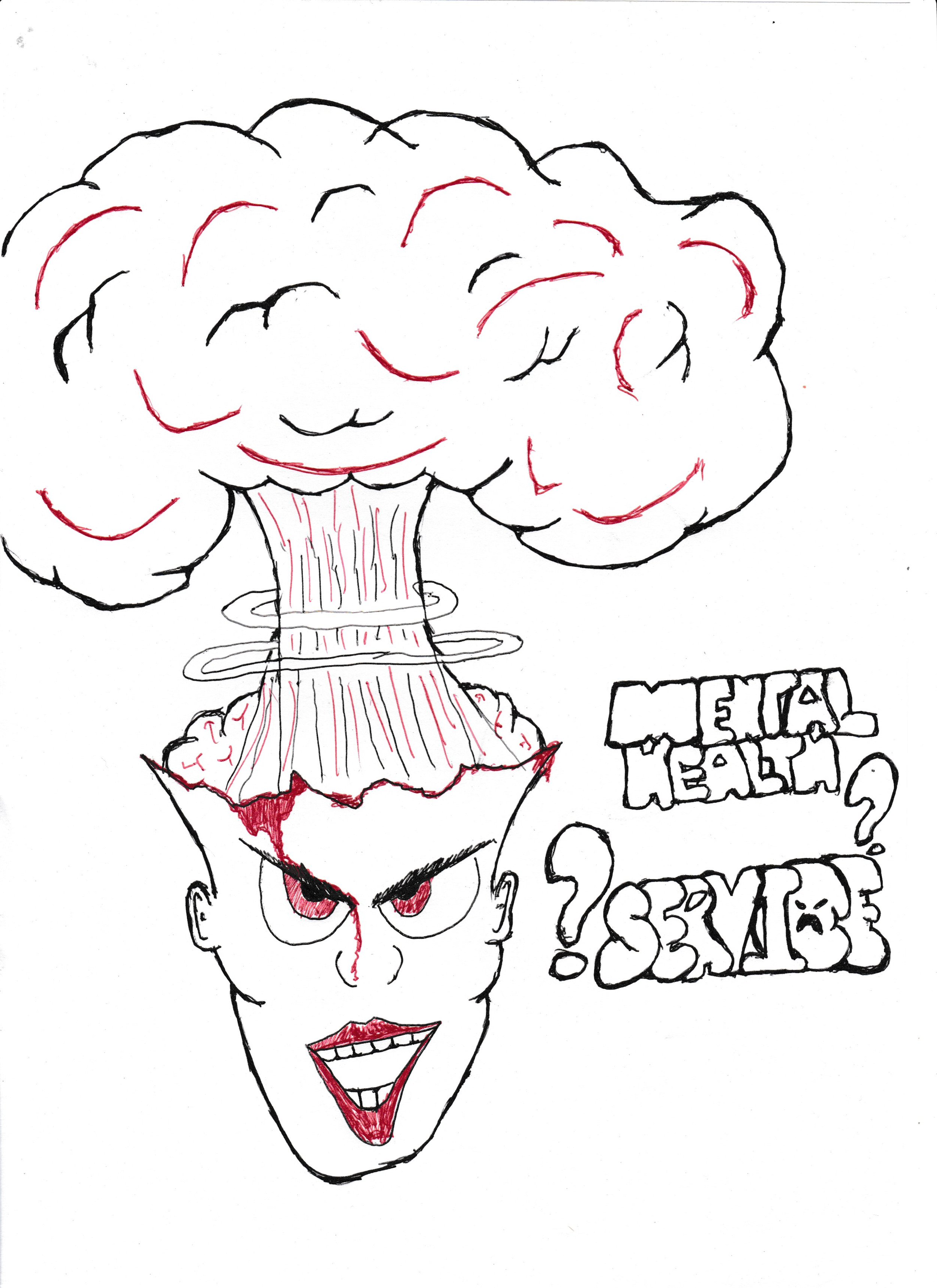
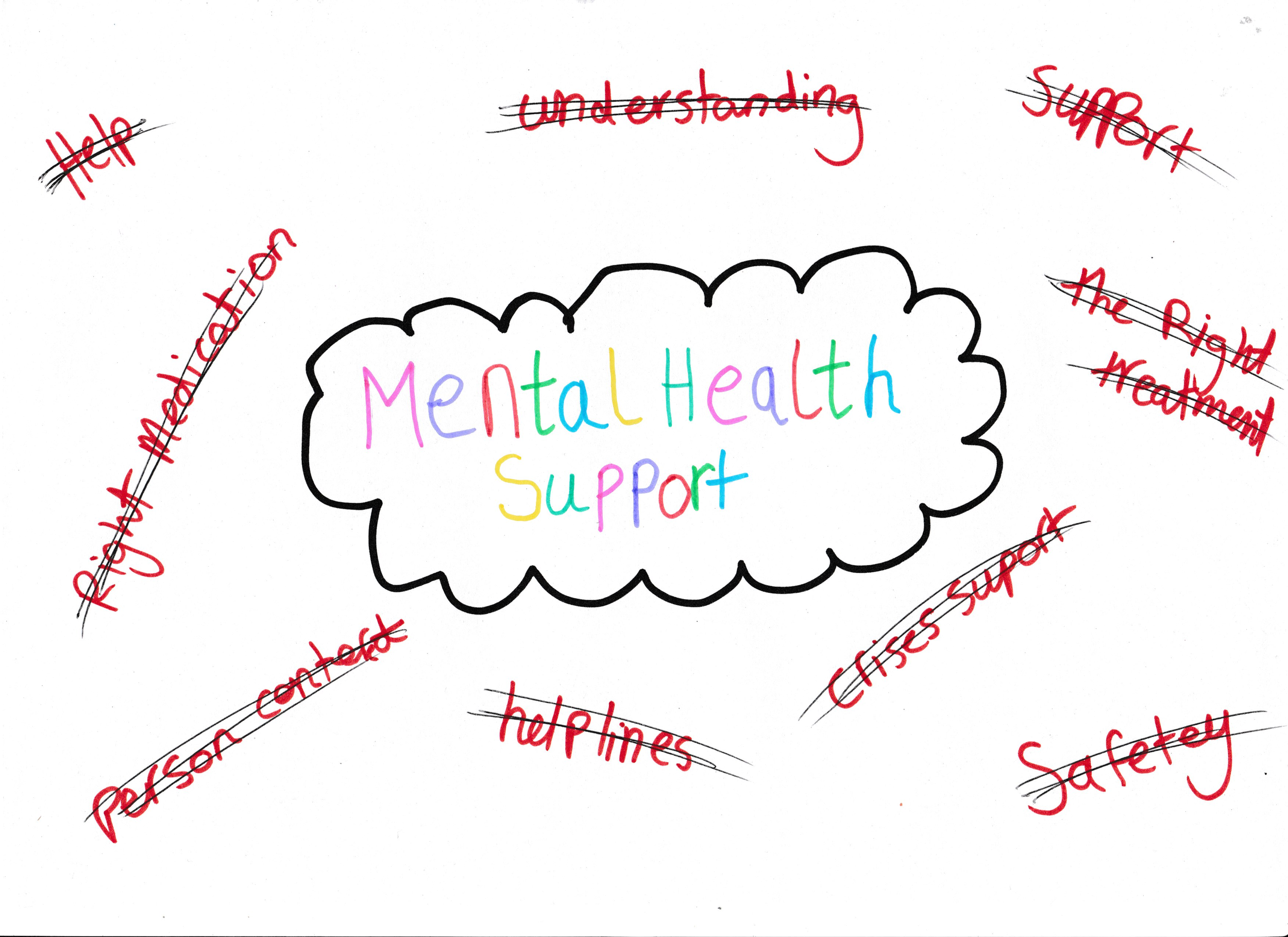
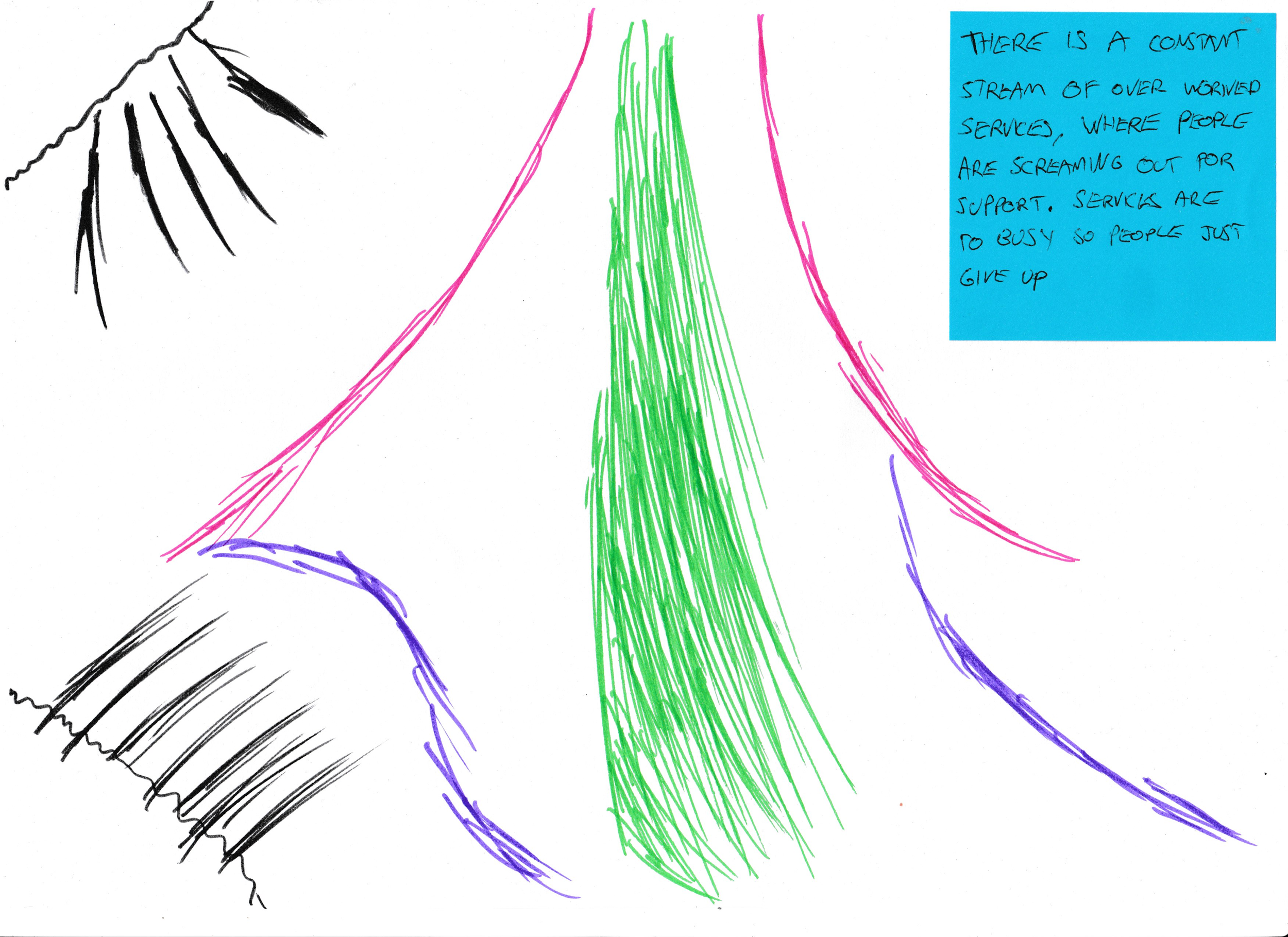
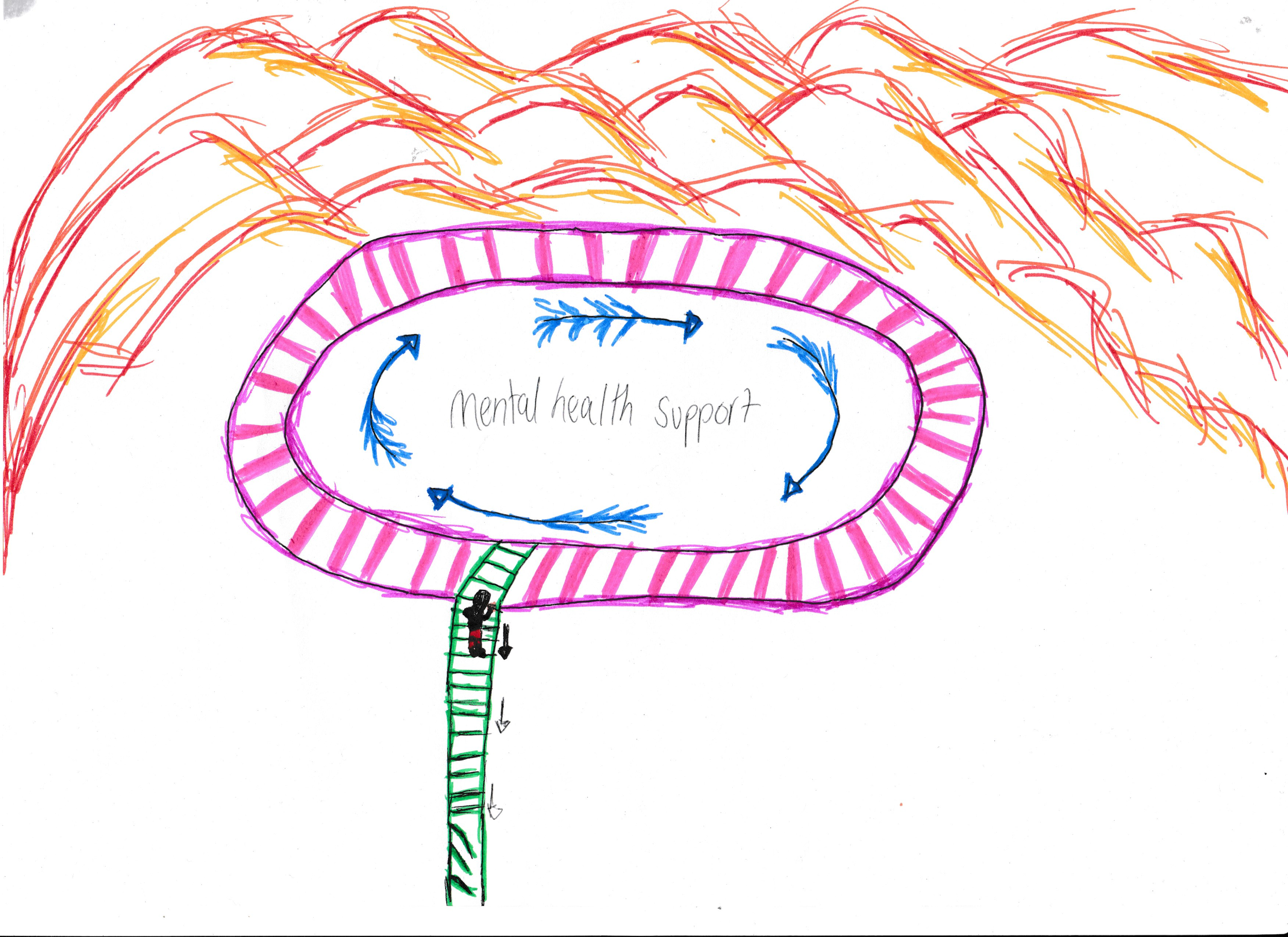
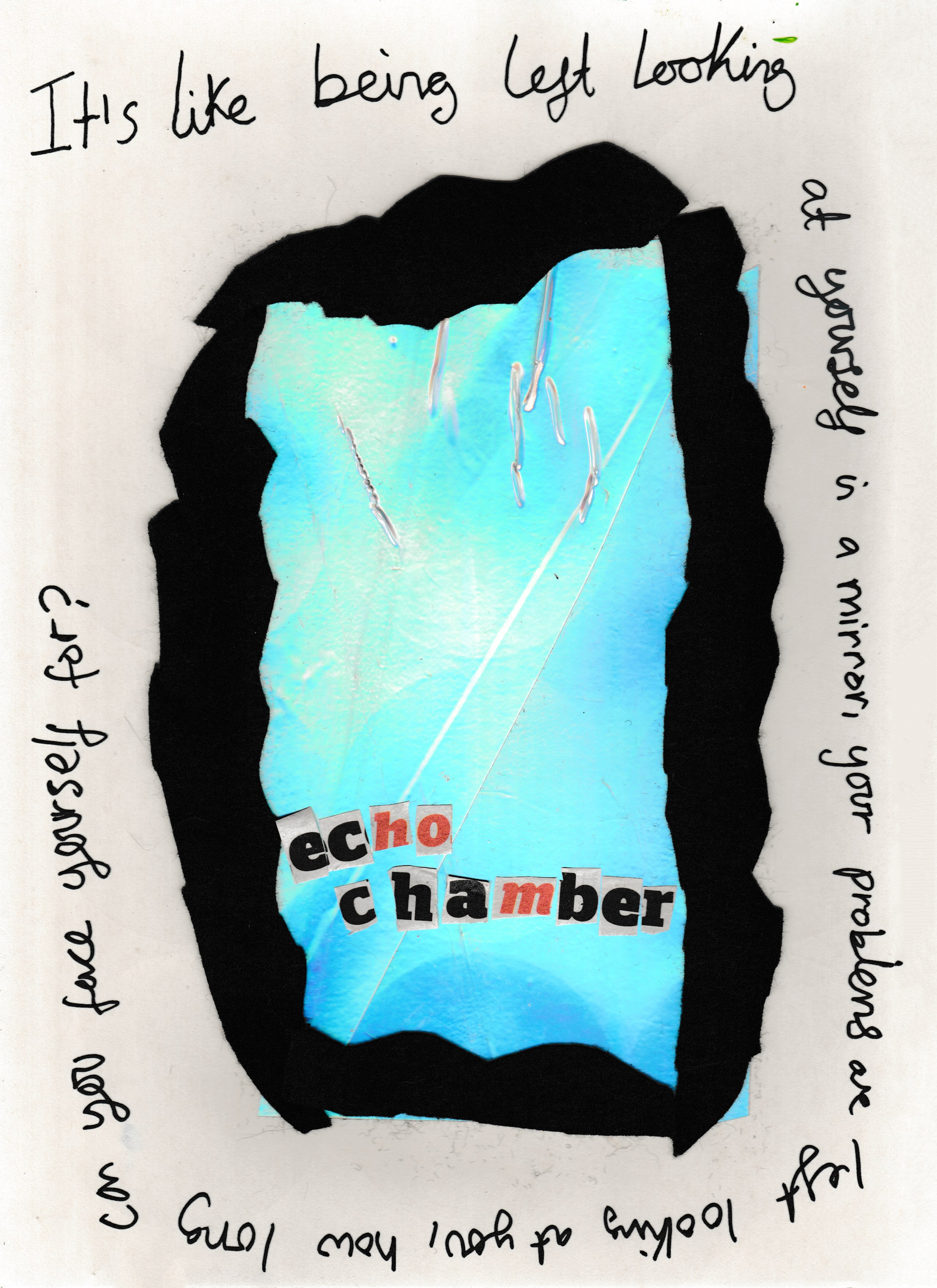
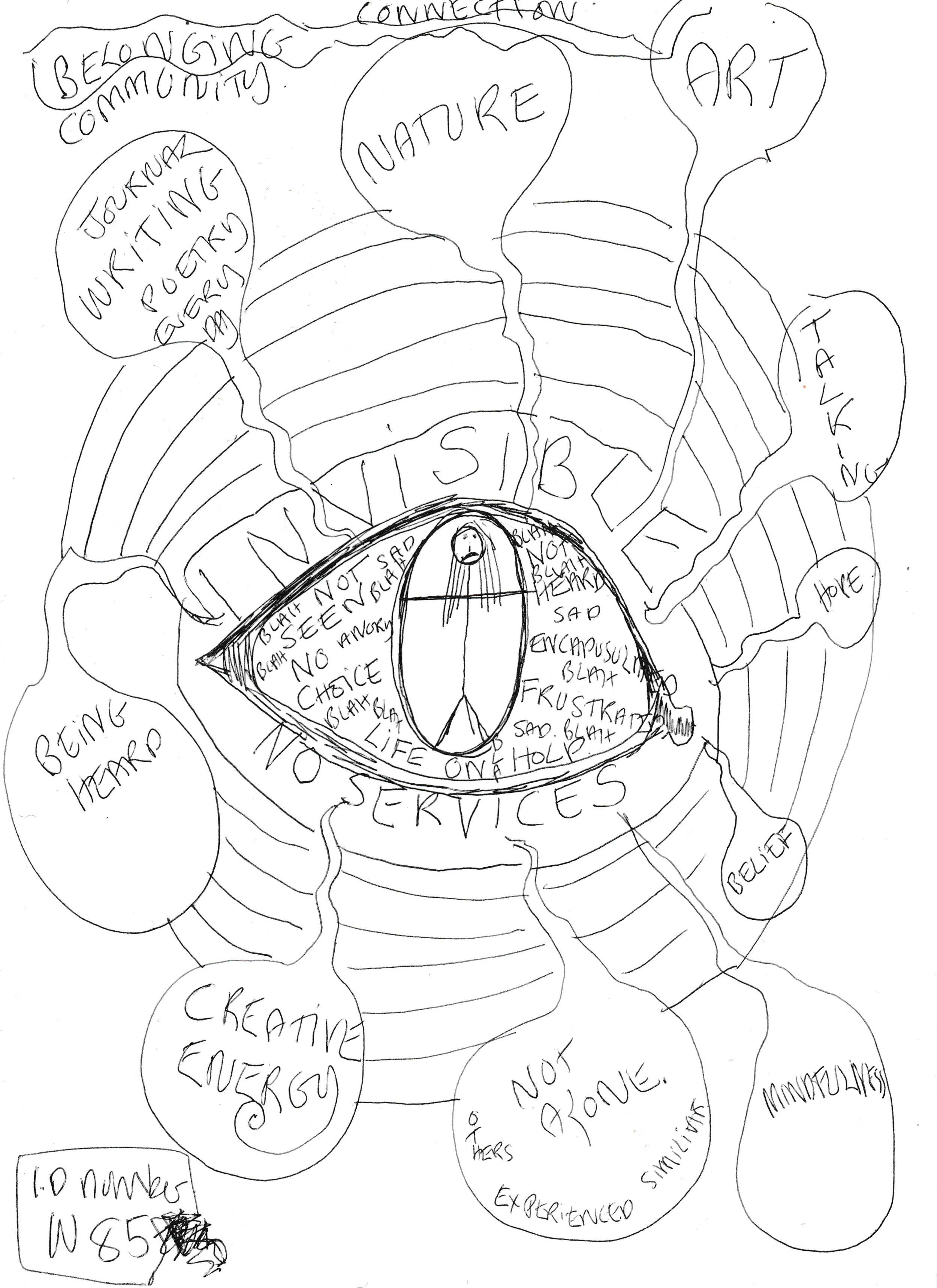
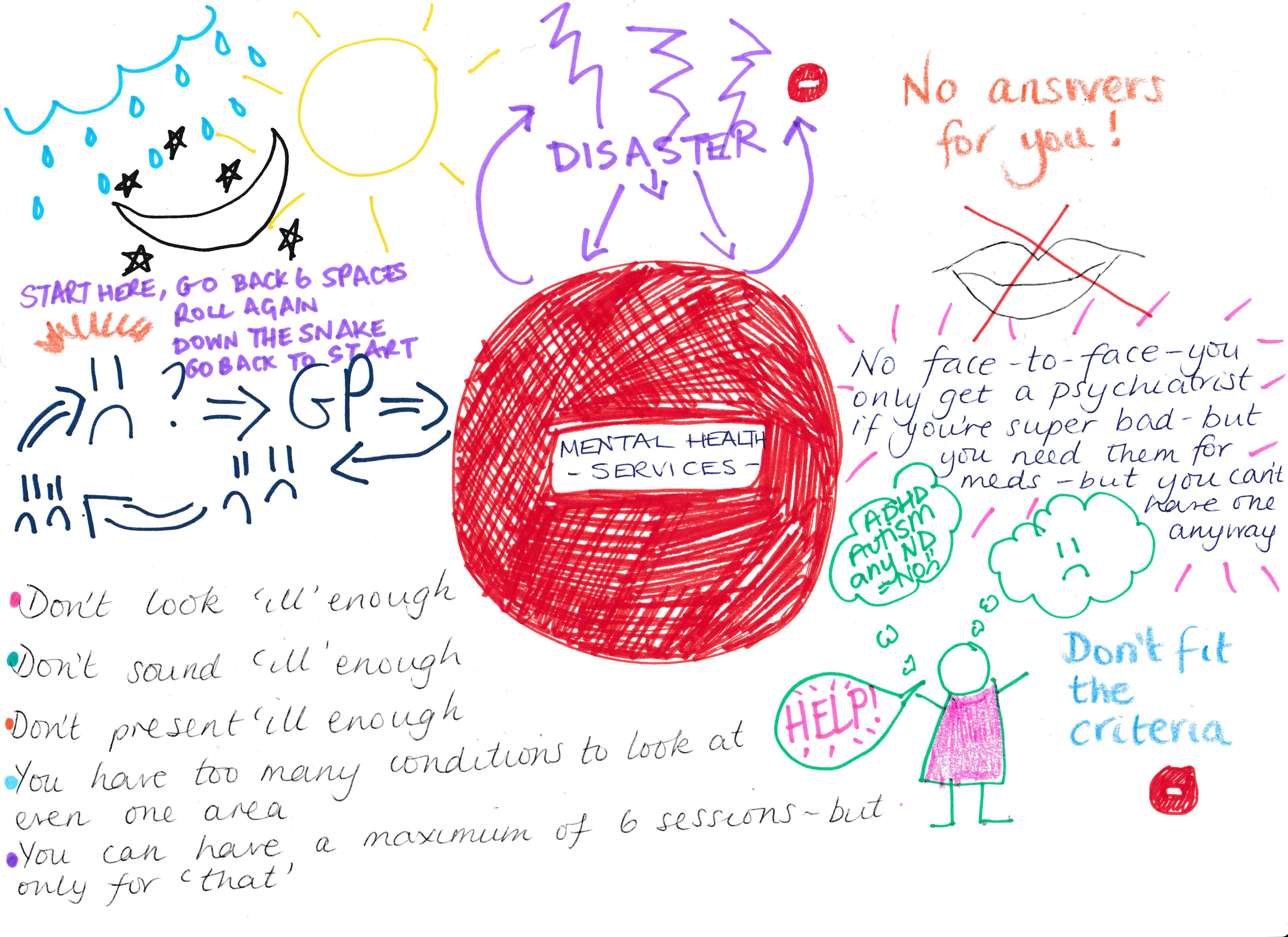
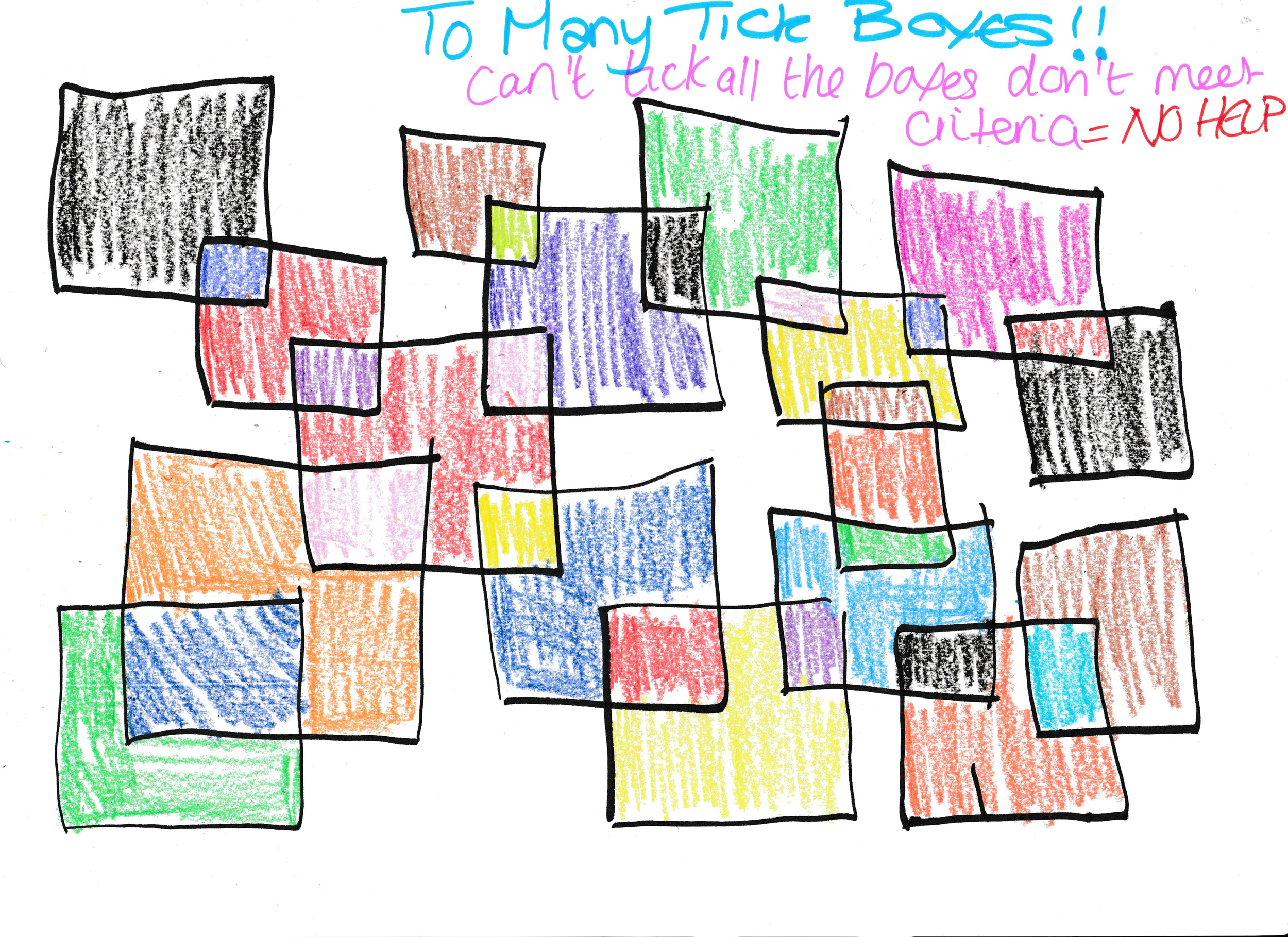
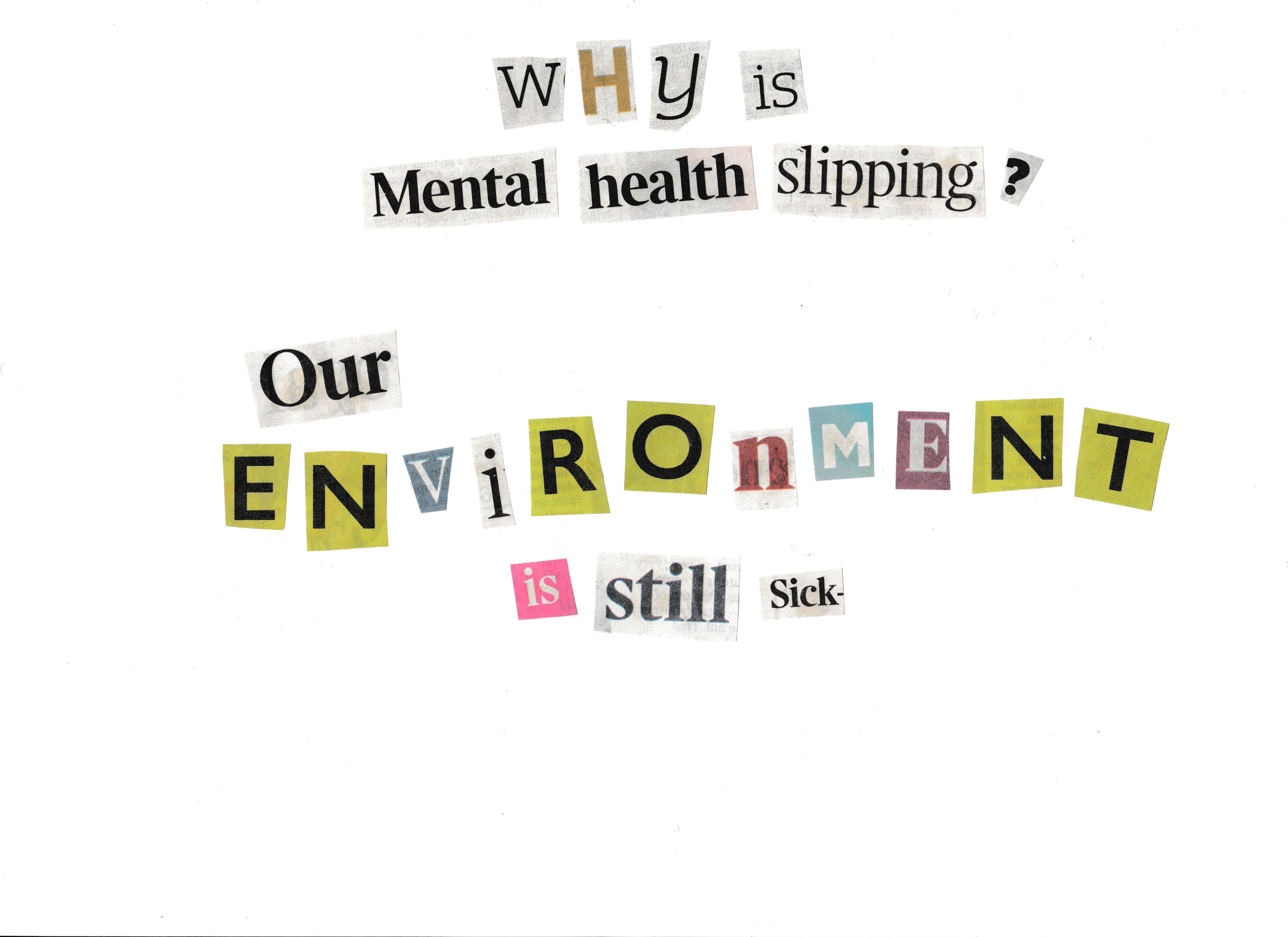
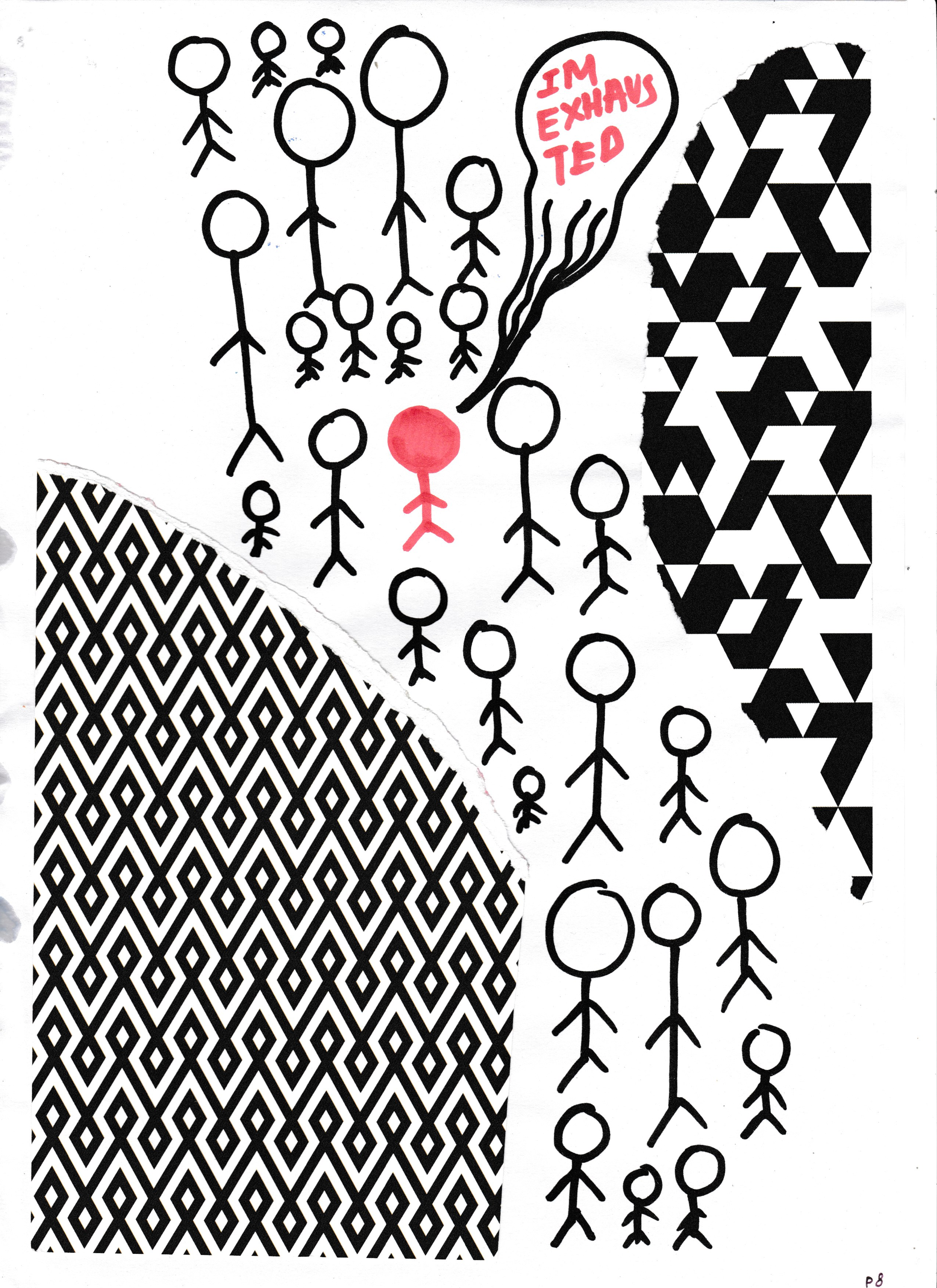
The second section of the workshop was art based and allowed people to creatively express their experiences. Various mediums were offered, such as collage, drawing, painting or writing. This was free flow, and we offered written prompts as a guide. We offered varied approaches to contribute (written, verbal, creative) to be as accessible for different needs. The written prompts were based on the priorities outlined by AWP.
We applied a thematic analytical approach to discern 11 key themes — seven for from conversations and workshops with seldom-asked groups, and four from people in out-of-area placements. After identifying and coding themes, our team discussed, compared, and refined them collectively in workshops to ensure accuracy, coherence, and inclusivity.
This collaborative process ensured that the final themes genuinely reflected participants’ words and intentions. Throughout the report, verbal quotes and artwork are presented prominently alongside our analysis, to honour diverse ways of expressing experience and to give voice to those who may communicate more effectively through creative means.
-
We used a thematic analysis approach to code and interpret the data collected from workshops, conversations, and creative submissions. Thematic analysis is a qualitative method used to identify, analyse, and report recurring patterns, known as themes, within rich, descriptive data. This approach enabled us to move beyond surface-level observations to uncover shared meanings, emotions, and experiences across participants.
In this project, thematic analysis was chosen because it values participant voice and context, allowing us to centre lived experience rather than impose external assumptions. The process was led by four members of the Neurodiverse Connection team, all with lived experience of mental distress and the mental health system.
Our analysis involved multiple iterative stages:
Initial familiarisation
Reading, listening to, and reflecting on all contributions to fully understand participants’ perspectives.
Systematic coding
Identifying key phrases, ideas, and emotions across transcripts, notes, and artworks.
Theme development
Grouping related codes into emerging themes that captured shared experiences and insights.
Validation and refinement
Discussing, comparing, and refining themes collectively in team workshops to ensure accuracy, coherence, and inclusivity.
We compiled the findings from these conversations into a 11 key themes, which we shared in a report and an accompanying accessible summary and a video animation.
▶ Watch a short animated overview of our work with seldom-asked groups

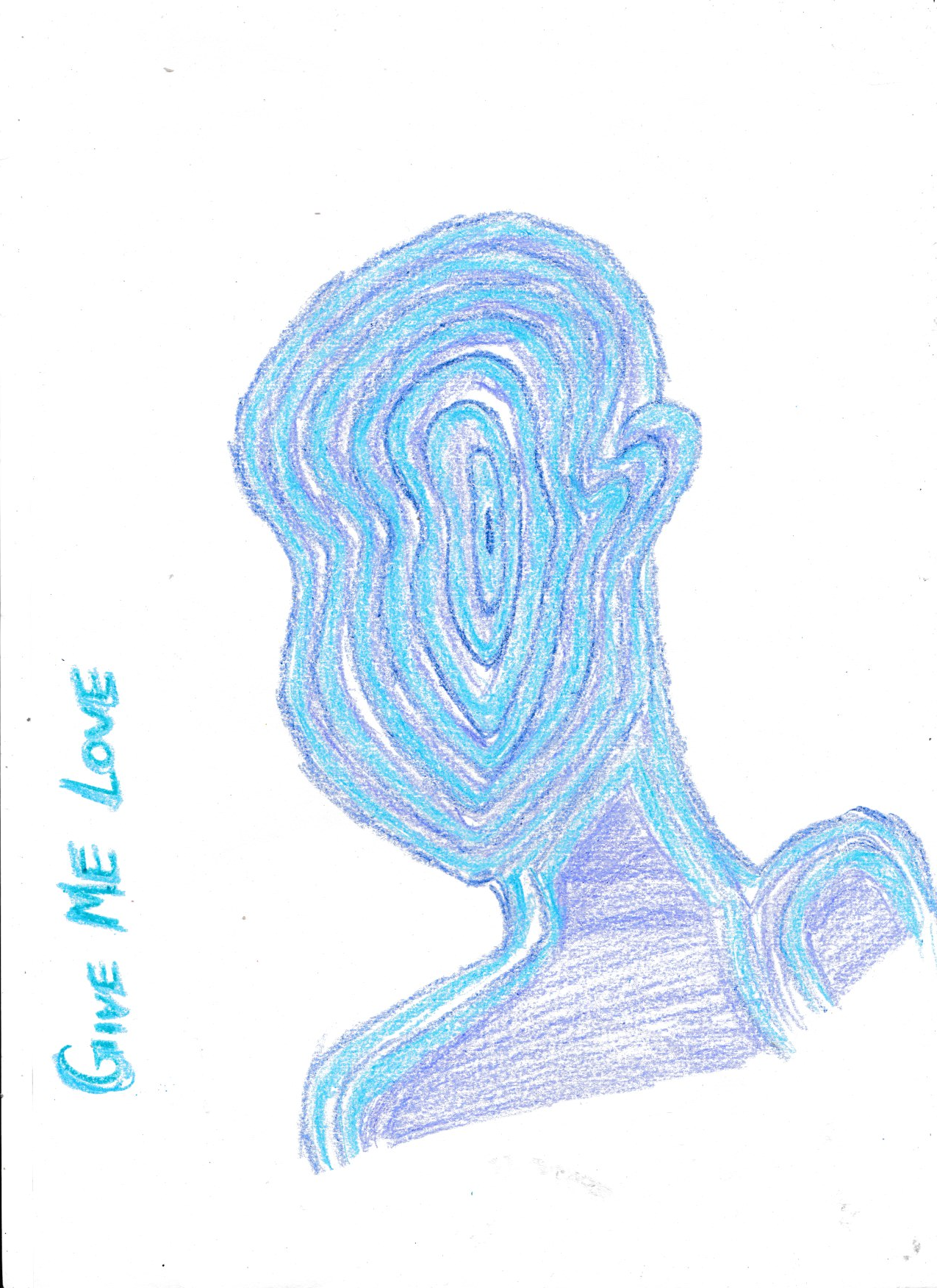
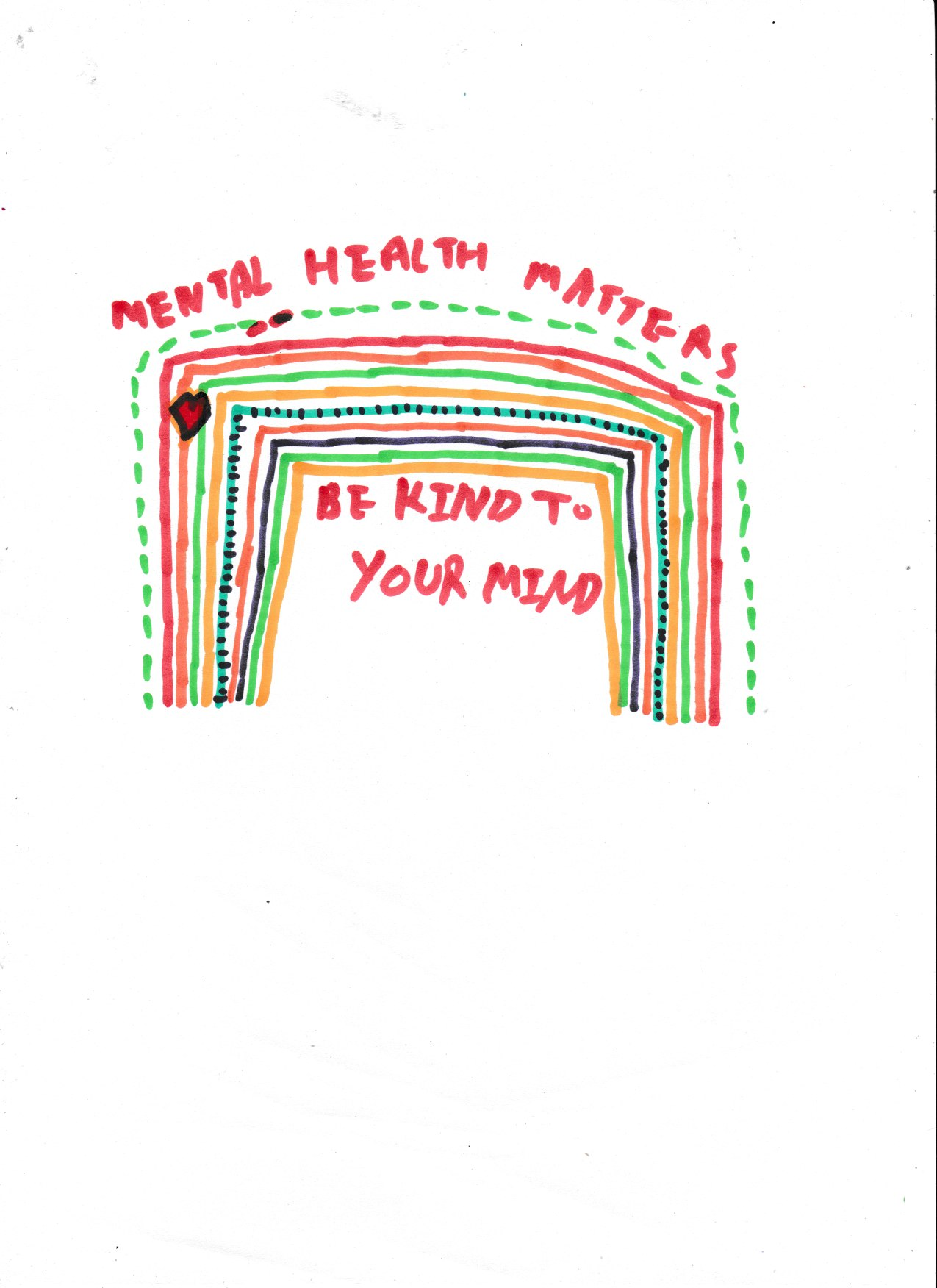
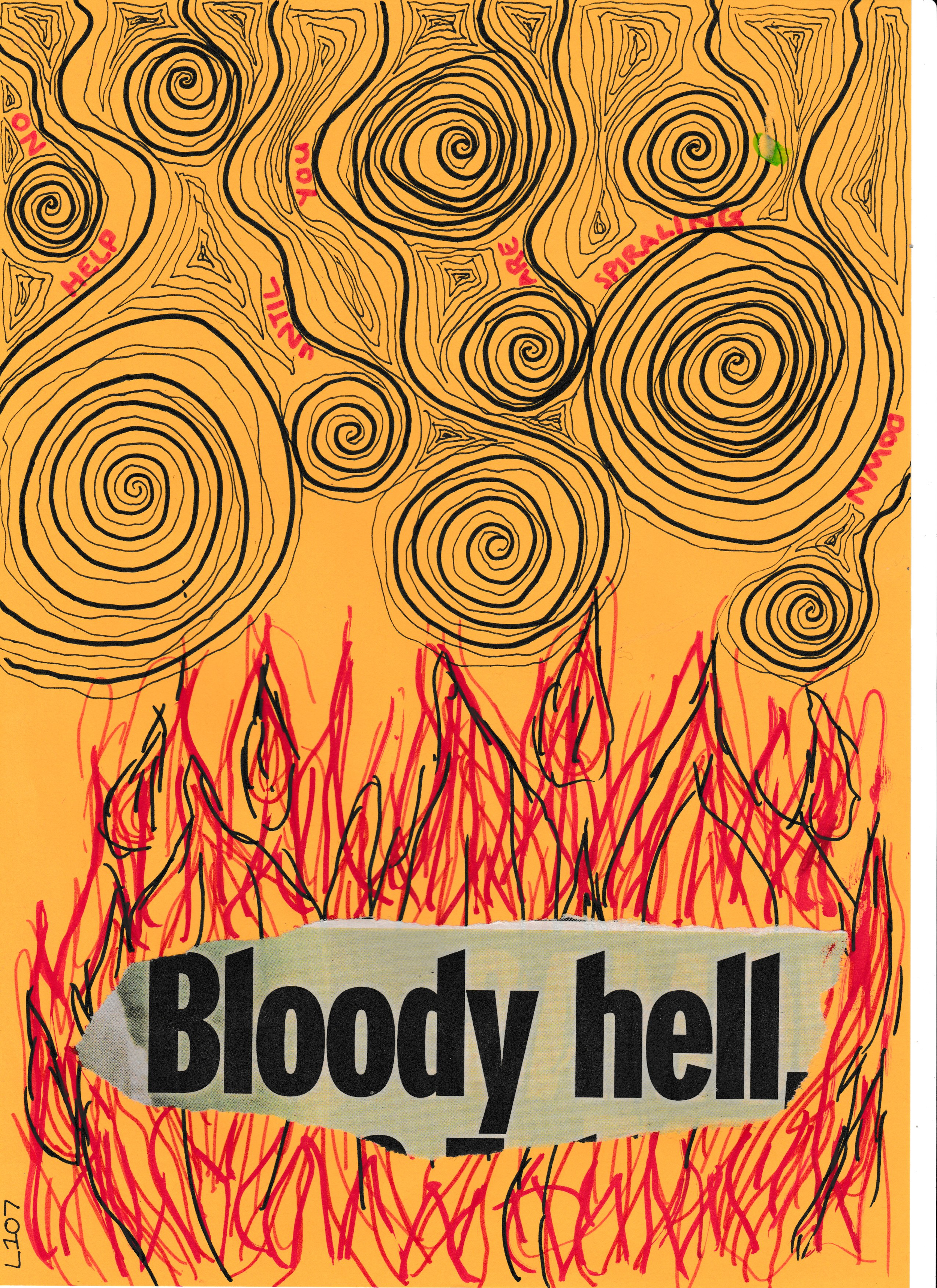
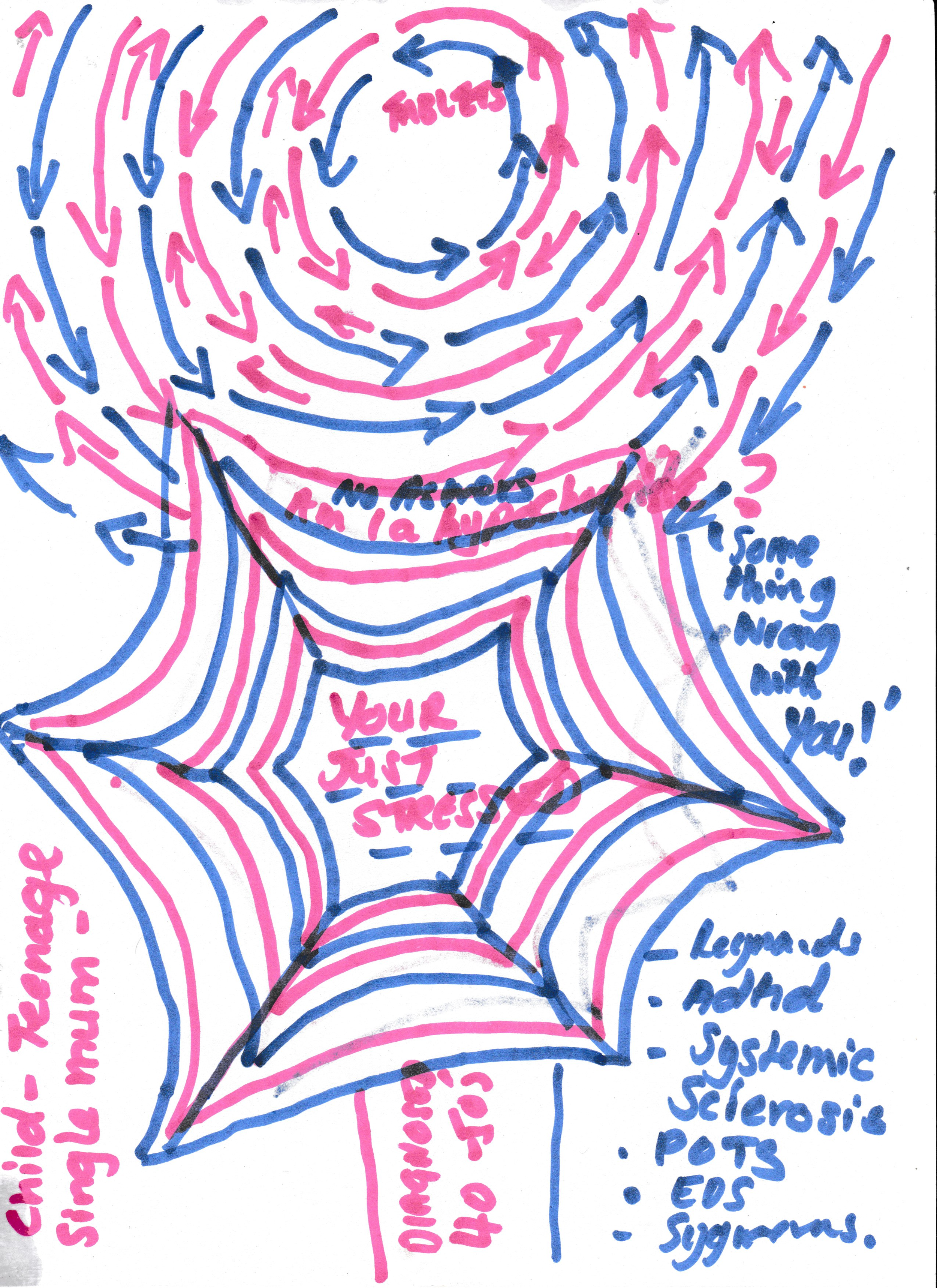
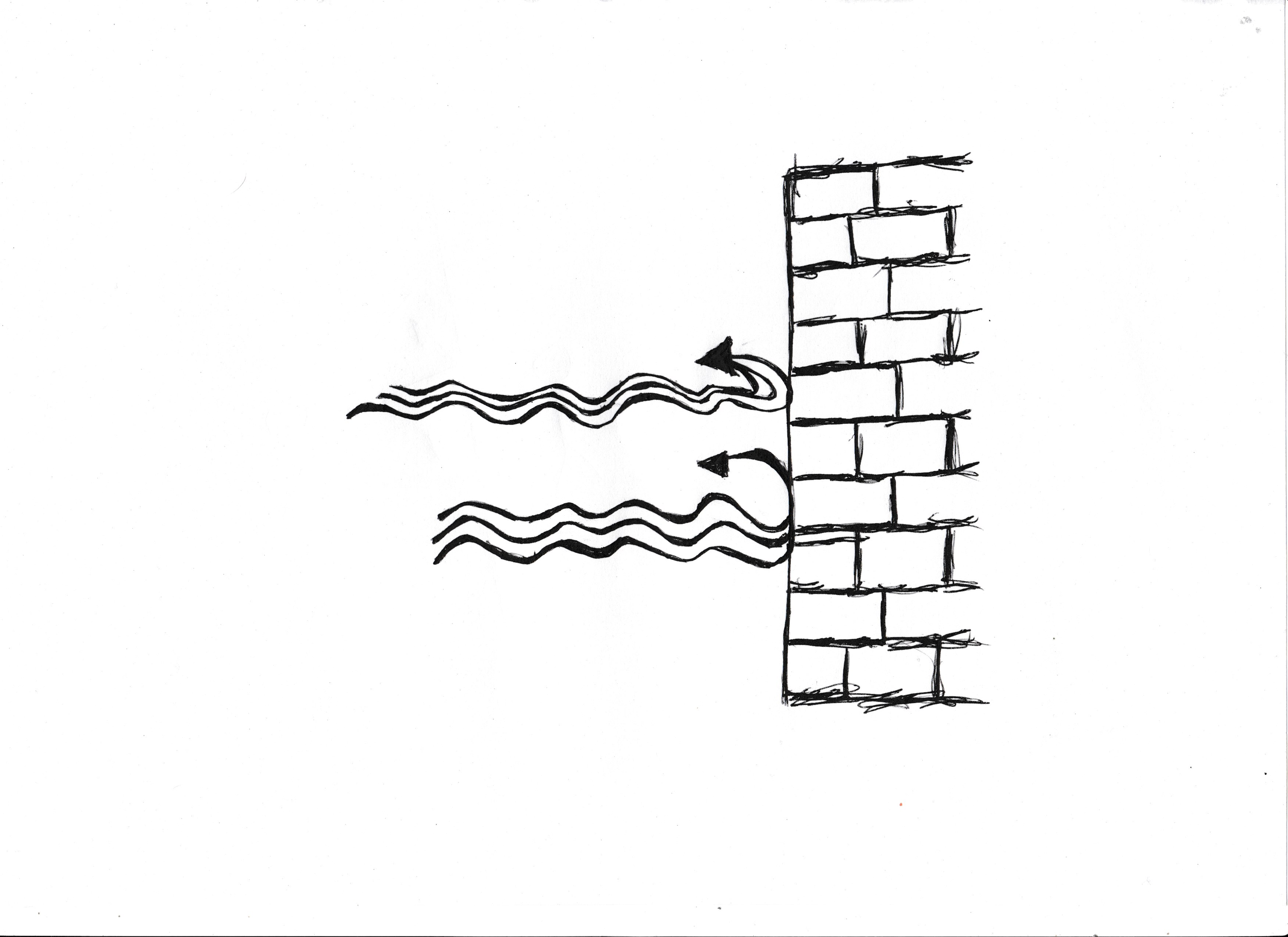
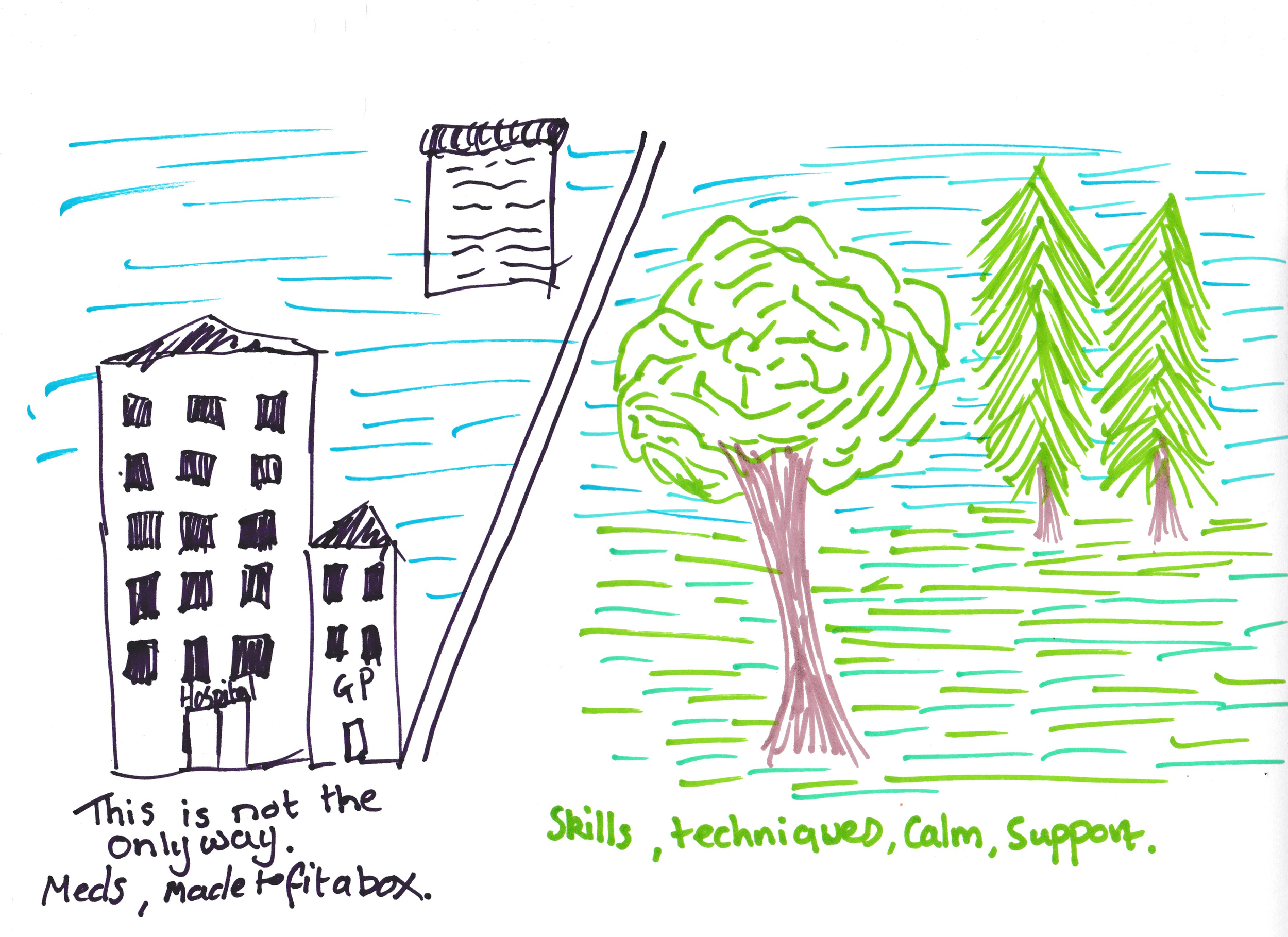
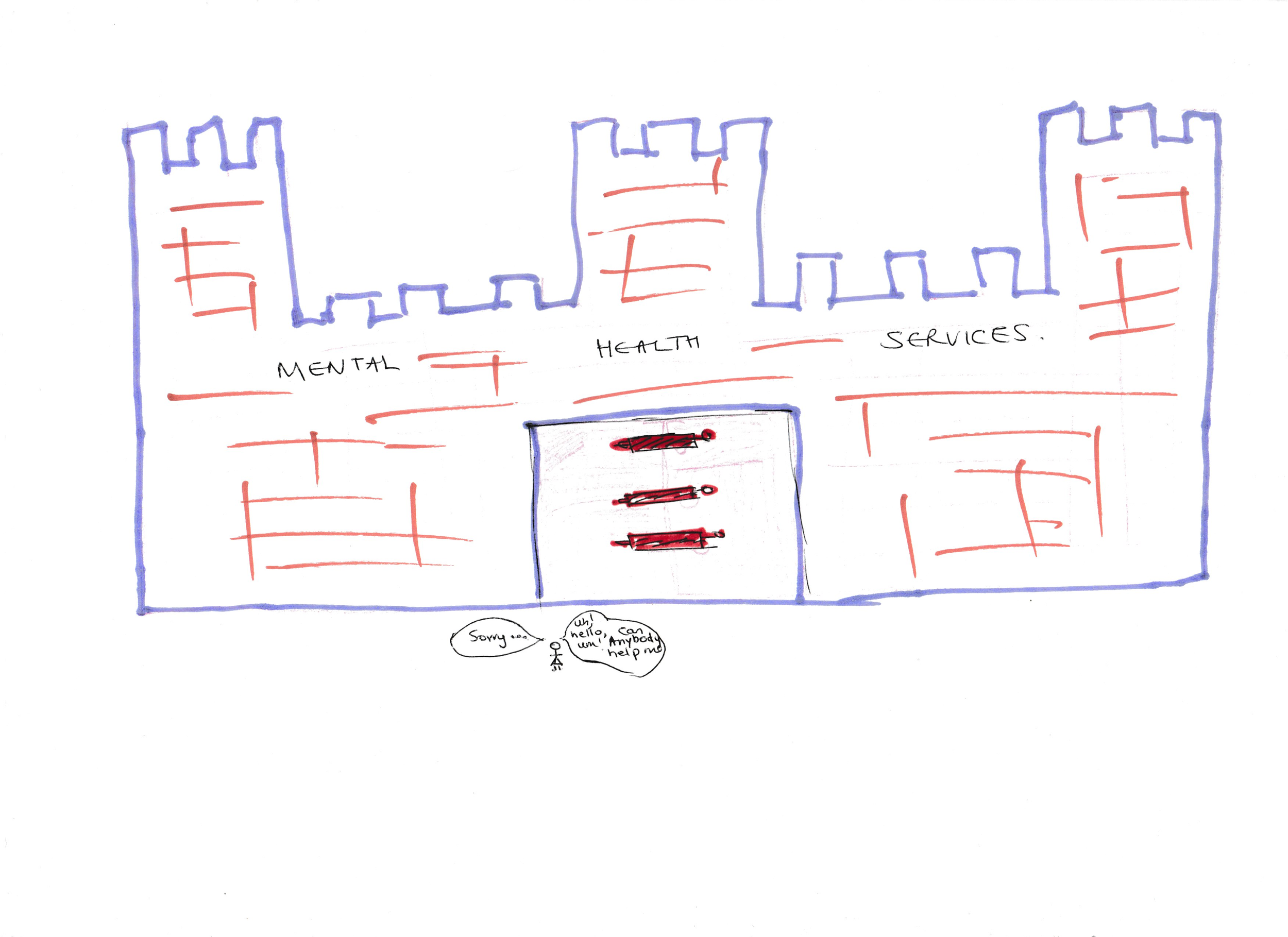
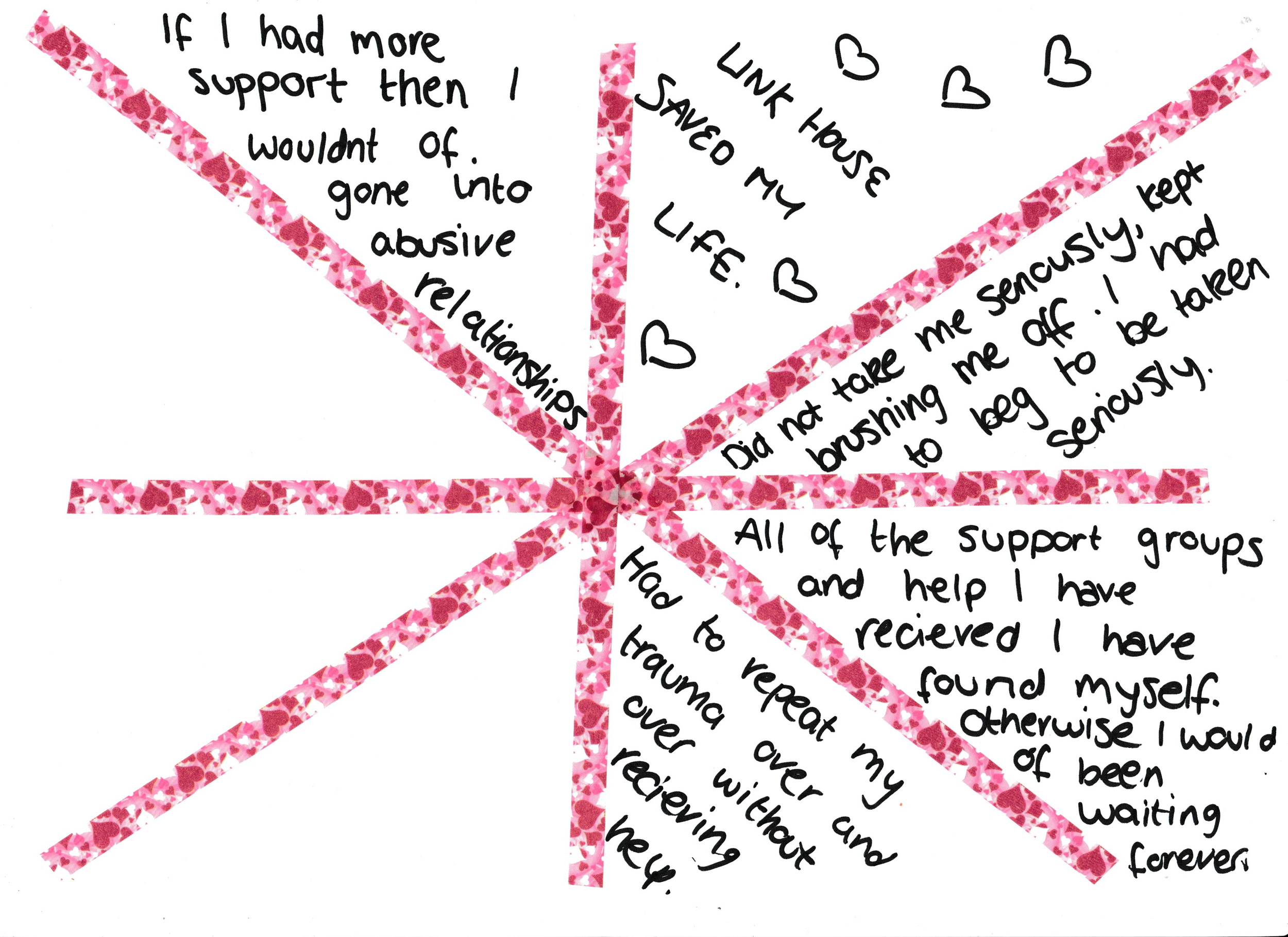
▶ Explore some of the artwork created by participants in our creative workshop sessions



Read the report
This report shares what happens when mental health services are viewed from the perspective of the people who use them.
As you move through the report, you’ll hear how many people experience the system as difficult to navigate, fragmented and exhausting — particularly when support is needed most. Participants describe long waits, unclear pathways and the ongoing pressure to self-advocate, often while already in distress. For some, support only appeared once they reached crisis point, highlighting the gaps between early help, community care and inpatient services.
You’ll also find powerful reflections on what makes a difference. People spoke about the importance of being seen as a whole person, not a diagnosis; the impact of relational care and being treated with kindness and respect; and the value of peer support and community spaces where shared experience creates safety and trust.
Artwork, quotes and creative contributions from participants illuminate each of the key themes, offering different perspectives on each issue and reflecting the many ways people communicate their experiences.
-
Lived experience from seldom-asked communities
Voices from people who are often least heard in mental health services, including racialised, Neurodivergent and disabled people, trauma survivors and those facing social and economic disadvantage.
Out-of-area inpatient experiences
Reflections from people placed far from home, exploring how distance, environment and relational care affect safety, dignity and recovery.
Key themes shaped by participants
Including access and navigation, self-advocacy fatigue, person-centred care, prevention, peer support and when services cause harm.
Creative contributions and direct quotes
Artwork, storytelling and words shared by participants, embedded throughout the report to keep lived experience at the centre.
Insights linked to PCREF and equity
Learning that supports race equality work, cultural safety and more accountable, inclusive mental health systems.
System-wide recommendations
Grounded in lived experience and co-production, pointing towards practical and relational change.
Impact
It was a bold and important step for Avon and Wiltshire Mental Health Partnership (AWP) to commission this work and to invite independent, lived-experience-led review of their services. By choosing to listen to voices that are not always heard — and to sit with what was shared — AWP created space for learning that goes beyond reassurance and into meaningful reflection and change.
Alongside this report, AWP have published their response and action plan, setting out how this learning will inform ongoing improvement and transformation. (LINK TO AWP)
This work also contributes directly to learning linked to the Patient and Carer Race Equality Framework (PCREF). Experiences shared by racialised participants highlight where mental health services can unintentionally cause harm, and where greater cultural safety, trust and accountability are needed. These insights sit alongside wider themes of equity, intersectionality and lived experience-led change.

A clear report that articulates both themed feedback and clear recommendations from a group of service users and carers that is usually hard to reach. The report will be informing a large-scale action plan for the trust to take forward as part of its wider transformation work. [Another] take away is a greater understanding of tools to engage with different service users (which we could use as part of more standard coproduction) and the benefit of having an external contractor team to gather this feedback in order searches and carers to believe that this would be taken forward without bias.
— Jordan Snell
Senior programme manager
This project is rooted in co-production practices.
Designed and delivered by people with lived experience, our work reflects a commitment to learning with communities and shaping change together.
-
Co-production is an equal partnership between those who understand the needs of a community through their own lived experiences and those in roles who influence the direction of services that aim to support this community. It can be applied to the design process, decision making, delivery and evaluation of services.
-
There are a range of ways that people can be involved, from information being shared to leading projects and delivery. There are also a range of areas where this might happen. Sometimes, individuals might have high levels of involvement in their own care, or at a ward level, but be impacted by decisions from the organisation or trust where there is little involvement.
-
Co-production is critical to ensuring that we are making the right change. It’s a way of valuing people and families, responding to challenge and improving patient experience.
Interested in commissioning coproduction work? Here’s how we can help