Seeing and Holding Space for Your Community: My Experience Facilitating the Black Autistic Meetup
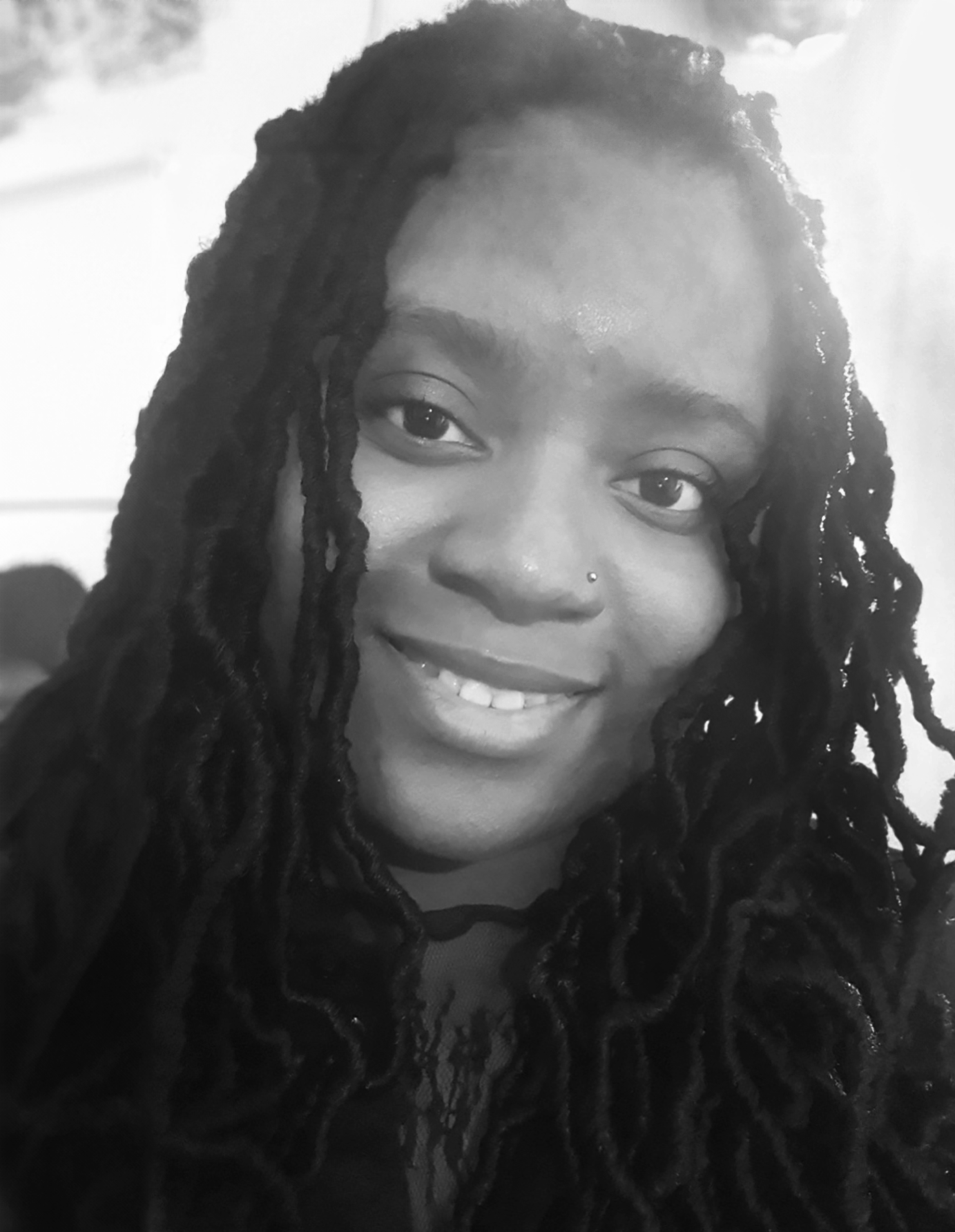
We are joined by, Antonia Aluko, who reflects on her experience facilitating the Black Autistic Meetup and what it taught her about community, connection, and holding space.
Through shared experiences and personal growth, she explores the power of being seen and understood as a Black neurodivergent person.
Last summer I was given the opportunity to facilitate the Black Autistic Meetup. I had attended a few meetups prior and there I could see just how valued and necessary the space was for Black Autistic people. At the intersection of race and Neurodivergence there are very few spaces that exist that do not include an in-person aspect. Connecting with fellow Black Neurodivergent folk in your local area can equally be valuable and validating but the ability to connect from your comfort space, to easily opt in or out of conversations, have your camera and microphone on or off and just be in community with others was a highlight for me. Attendees came from around the world (namely the UK and US) which meant that different perspectives were valued and held within the group but we all could share in experiencing racism and ableism.
When I was first asked to facilitate the meetup, I was concerned. I asked myself several questions: was I the right person to facilitate the meetup? Do I have the skills and the support to meaningfully hold a space? These concerns arose because the previous host, Warda, aided in establishing the group. I didn’t know if I could hold and support the meetup in the same capacity with the same grace that she had.
After my first meet up as a facilitator, I saw just how much this was a space of acceptance and not just connection. Everyone brought their full selves into the group and my experiences as a Black Neurodivergent person were not singular. I found points of resonance and synergy with what other people were sharing which meant that points of connection felt natural and easy.
At times it became less about my outward role as facilitator and more about how I felt part of the space. I found it difficult and exposing to open myself up because I felt like I was sharing and putting too much into the group and I didn't want to dominate with my voice. In my ambition to hold the space, I neglected that I also helped to shape it. I naively felt I could impose a level of objectivity because I was facilitating as part of my role, but the topics discussed couldn’t be distanced from my daily lived experiences. Navigating change and transitions, gaining understanding from loved ones, discrimination – these topics were ones I couldn’t simply hold at a distance and facilitate because they were part of my embodied reality. Simultaneously, being an AuDHDer, I've always been told I was ‘too much’, but within the meetup, those fears melted away.
Hearing others express their joy, sadness, excitement, and worry, made it clearer to see how the group honoured and valued the authenticity and difficulty of our shared experiences. My hesitancy in contributing easily transformed into comfortable moments of sharing and I was able to have beautiful connections and valuable conversations with people who understood me and could resonate with things I said. I was able to consider the dynamic ways that I mask and how I navigate uncertainty but equally I was able to gain strength from their contributions to the space.
In March I stepped down from being the facilitator of Black Autistic Meetup, and I reflected on how this experience has impacted me. The group has made me reconsider how I hold space for others whilst also finding connection for myself. This bidirectional relationship subverts the objectivity that made it inwardly feel difficult to truly be part of the group at first but inversely is what has allowed me to build community with attendees.
My time as host is something I won't ever forget so thank you to everyone who was patient with me in my tenure as facilitator of Black Autistic Meetup. I have immense gratitude for those who allowed for me to have those moments of growth and shared parts of your perspective in the group. You all inspire me to build community and challenge the distance I try to impose when in discomfort and you remind me of the power of our voice. As Audre Lorde so rightly says:
When we speak we are afraid our words will not be heard or welcomed. But when we are silent, we are still afraid. So it is better to speak.
Audre Lorde (1995). “The Black Unicorn: Poems”, p.25, W. W. Norton & CompanyI was given the opportunity to hold the space I, myself, so desperately needed. The group empowered me to use my voice, and, despite my fear, I spoke. I look forward to seeing how the meetup grows and is shaped by its new facilitator and greater, to how you all use your voices in the same way you have reminded me to find mine.