
Creativity, Collaboration and Connection
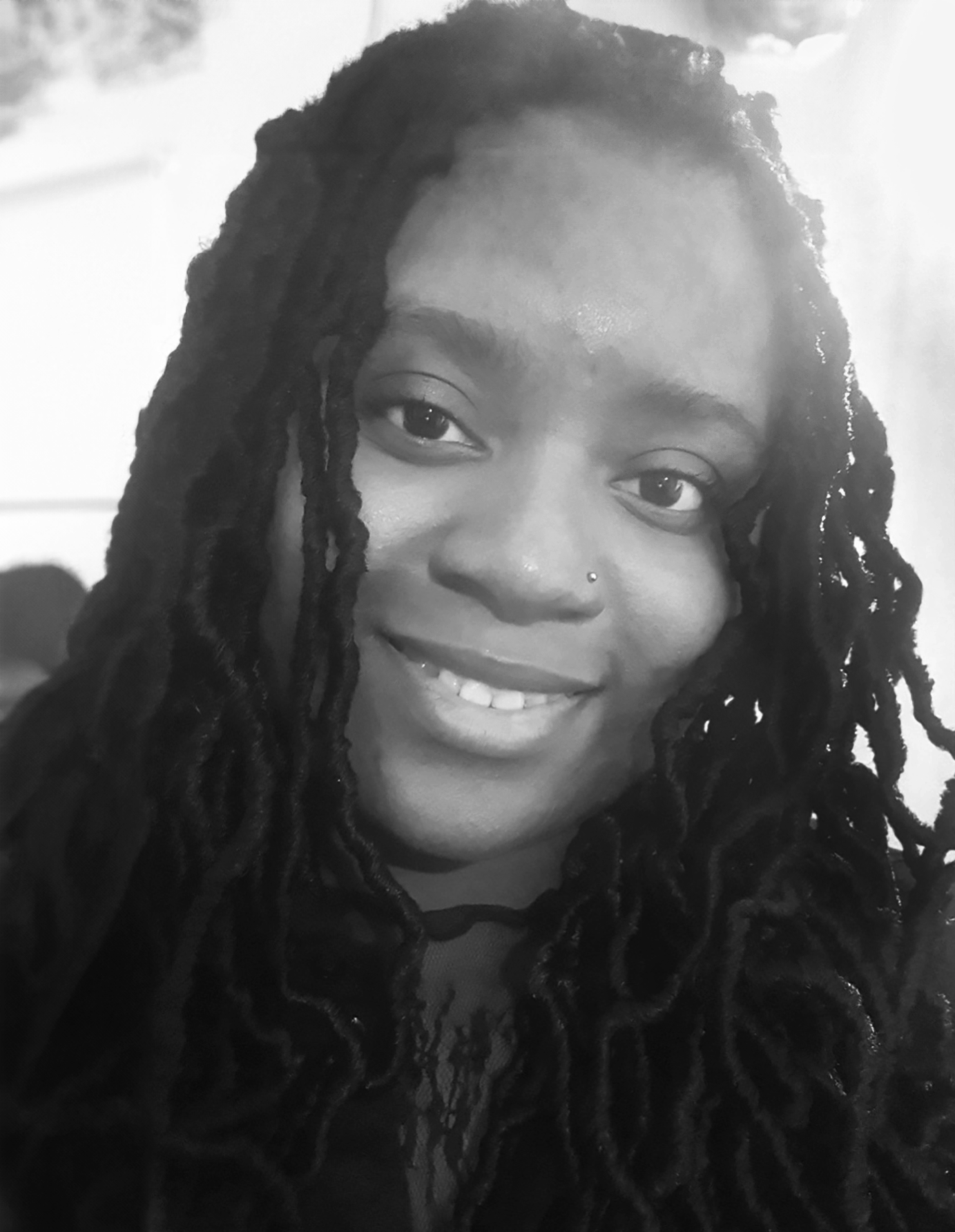
Reflecting on their time as a Neurodivergent Lived Experience Advisor on the Culture of Care Programme, Antonia Aluko shares how bringing lived experience into a professional role transformed her confidence, fostered connection, and reinforced the power of lived experience to drive meaningful change.
Prior to working with Neurodiverse Connection on the Culture of Care Programme I had never worked in a lived experience capacity.
It was a new but daunting experience where I knew that I would have to utilise my knowledge of being a Black Neurodivergent carer in my work. I had never so implicitly and explicitly expressed my personal experiences in a professional capacity. It sometimes felt like I was living a double life between academia and my role as a young carer, holding both sides at a distance to maintain a sense of equilibrium in myself.
For the first time, my personal and professional experiences were aligned and with this came the ability to use my voice in a way that I have never done before. I think one of the hardest but most valuable lessons I learned early on was how to use my lived experience and positionality in a meaningful way that didn’t emotionally recoil on myself and affect my wellbeing. Knowing when, what and how to share information and what effect sharing may have, was very hard initially.
I had spent so long masking and pretending at work, that when my worlds collided, and I no longer had to hide my experiences of Mental Health services, of sensory discomfort, of my multi-faceted identity, I felt liberated. Suddenly, masking became difficult in other spaces, my experiences were valued in my role and other people resonated with what I had to say. Being a carer in services, I also felt like I was alone supporting and looking after my loved one, but working with others with lived/living experience, I was no longer isolated fighting for a better system – I was part of a team (a huge one at that!).
It wasn't until recently when I was speaking about self-advocacy to a room full of disabled young people that I realised I had learnt how to utilise my lived experience in meaningful ways without having to directly speak about my past experiences. It had almost become second nature as the programme continued where others recognised that my experiences imbued my perspective with knowledge. ‘Feelings as knowledge’ quickly became one of the mottos of the programme, honouring that in any space we occupied different forms of knowledge were valuable. In our quest for quality improvement, our emotions were another form of data that we used to increase equity in stakeholder organisations, and we wielded it with creativity, collaboration and connection. These things made the culture of care delivery team what it was, so that we could model the kindness we wanted people to feel being cared for on inpatient mental health wards.
These the last two years working on the Culture of Care programme have enriched my professional and personal life tremendously. I’ve travelled to places in England that I’d never even heard of (if only you collect points like flight miles!). I've been able to connect with and educate a variety of different people including service users and the staff members supporting them. I’ve created spaces of reflection, influenced, and built relationships with senior leaders, learning their perspective, and providing useful insights on how to think about and stand alongside some of the members of our communities in the most vulnerable positions. I’ve learnt from system partners, gaining specialist knowledge on Quality Improvement, Anti-Racism, Trauma and Risk. Together, the delivery team of the programme has become a wonderful team of teams, building our own memories and networks regionally.
It has been uniquely wonderful.
I've been able to understand my own neurodivergence better, helping others unlock their authentic selves without harming my own integrity.
Overall, despite the difficult moments and the fine tuning of my role I felt like I was able to make it my own by the end of the programme. The Culture of Care Programme was more than just about improvement. It was about reminding people of their innate human capacity of connection and reinserting the care into their role. What I didn’t anticipate was how much I needed that connection and care. In shaping the culture of others, we reshaped ourselves. I look forward to being able to inspire people to think differently and to challenge our preconceived notions of the norm more often in the future, using all this experience has taught me.