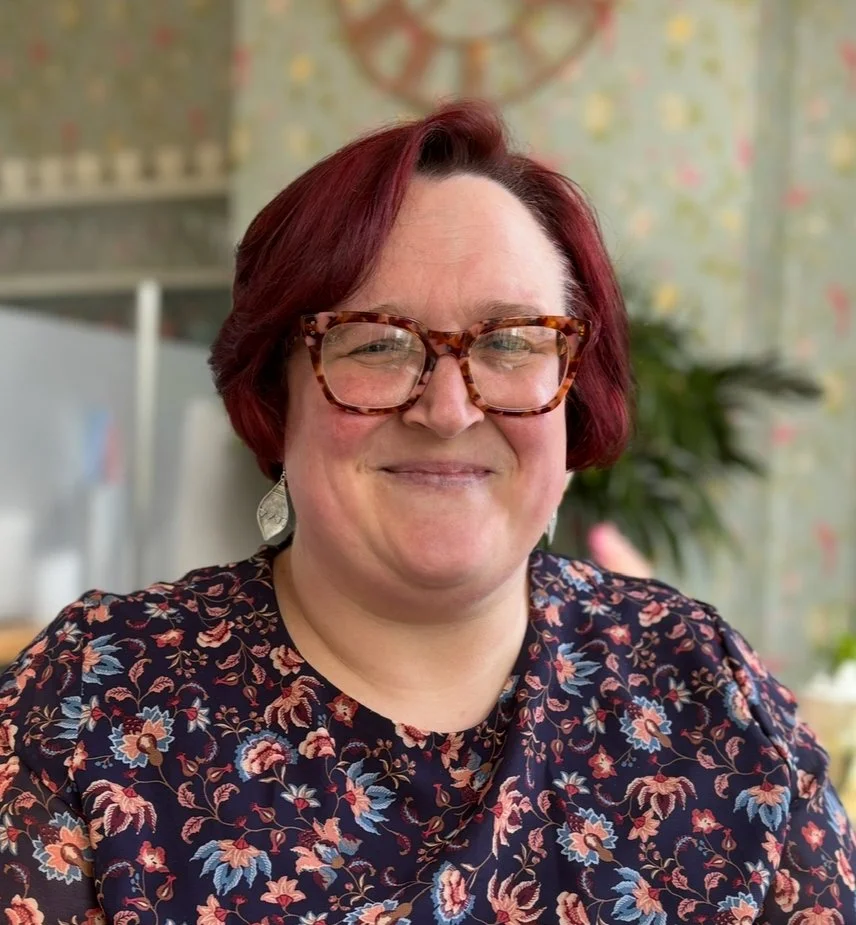
Zoë Austin, a Neurodivergent Educator, reflects on lived experience in UK education and the systemic challenges facing Autistic and ADHD children.
Content warning: mental health, suicide, school trauma.
Iam a Neurodivergent (AuDHD) educator working across the UK. I provide 1:1 tuition to Autistic/ADHD children who are unable to attend school for various reasons, mentoring to Neurodivergent university students, and advice and training sessions for educators and parents to help them understand and do better by the Neurodivergent children in their care. I love my work, but there are many sad stories I hear time and time again about Neurodivergent children being profoundly failed by the UK state education system.
School staff have no mandatory training on working with Neurodivergent students. Teacher training courses, from what I can gather from my own experience and those of the teacher friends I have quizzed about this, involve only a few hours’ training in this area, but you can guarantee there will be Neurodivergent children in their classes from day one.
Teachers, unless they are Neurodivergent themselves or close to someone who is, have little insight into what goes on in an Autistic child’s mind. They won’t understand sensory demands, different communication styles, monotropic thought and hyper-focus. All they will see are behaviours which they will misinterpret and judge through a Neurotypical lens, leading to children being labelled ‘bad’, ‘lazy’ or ‘difficult’, when all they really are is misunderstood.
Securing any kind of state-supplied support for Neurodivergent children, from an EHCP to Occupational Therapy through the NHS, is a complicated, lengthy nightmare, leading to negative impacts on the health of the whole family. If politicians making the decisions that impact people’s lives in this way had any inkling of the damage they do, I would hope they would hang their heads in shame.
It all comes down to money-saving. If only they could see that investing in decent support in childhood would lead to savings in services required later in life, including the NHS (supporting the long-term mental and physical health impacts of being let down in childhood), the prison service and social care, to name but a few.
Some of the most vulnerable people in our society, Neurodivergent children, are treated with such disdain and ignorance that many of them do not survive into later adulthood:
”suicide is the ‘leading cause of early death in autistic adults’. 80% of us have considered suicide. 30% of us have attempted it.”
ADHD adults are five times more likely than their Neurotypical peers to attempt suicide. A huge 24% of male offenders in UK prisons have an ADHD diagnosis, with an even more alarming 45% of individuals in youth offending institutions being ADHD.
Maybe you are one of those Neurodivergent adults, or the parent of a child so abused by the state education system that you already have grave concerns about their mental health. Maybe you’re an educator, trying your hardest to meet the needs of the children you support in a broken, debilitating system that is harmful to those who don’t fit the Neurotypical academic mould.
Or maybe, like me, you’re all three.
I was let down by the education system, but not as profoundly as some of my Neurodivergent peers: I had the privilege of being “good at schoolwork”. I was an academic achiever, so my anxiety and depression, caused by misunderstanding the world, being bullied for my differences and having no friends, went unnoticed. I remember feeling suicidal for the first time at the age of 11.
I am now a stepmother to a beautiful Autistic lad, whose story it would not be appropriate for me to tell here, as that is his business. I will just say that I can sympathise with the experiences of many of the families I now support.
I was an openly Neurodivergent classroom teacher, doing what I could to “change things from the inside”, belittled by Neurotypical school leaders who patronisingly praised my “bravery” (for existing? I don’t know), but would not listen to me when I identified potential Neurodivergent traits in children, and chastised me for meeting the needs of Neurodivergent children in ways I knew worked best for them (but did not fit “the way things have always been done”).
We Neurodivergents aren’t going anywhere. As much as we are weathering a tide of ignorance and disdain rooted in Neurotypical norms and assumptions, we are launching our own. We are building strength in numbers. The fact that I am writing this and you are reading it is part of the proof that we are gaining force and momentum. We are no longer a series of isolated individuals and families: the internet has given us new communities and new opportunities to make our voices heard.
I shared the horrendous statistics on suicide and offending because the origins of these behaviours begin in childhood. The adult who self-harms and/or offends had their sense of self sculpted, yes, at home, but also at school.
”All children deserve protection, support and to know that they are lovable just as they are.”
Top tips for what to do when you’re feeling powerless:
Join up. Find your people. Join online groups of folks going through similar challenges to you or your children. Communicate. Overcome your differences for a common cause.
Challenge misconceptions. I know it’s exhausting, but challenge neurotypical ignorance wherever you encounter it.
Write to your MP. Remember, they work for us. They are here to help us, especially in matters relating to access to public services. Neurodiversity is a hot topic right now. Be brave. We deserve to be heard.